Breaking Language Barriers: How Localized Content Transforms Access to Virtual Casino Platforms
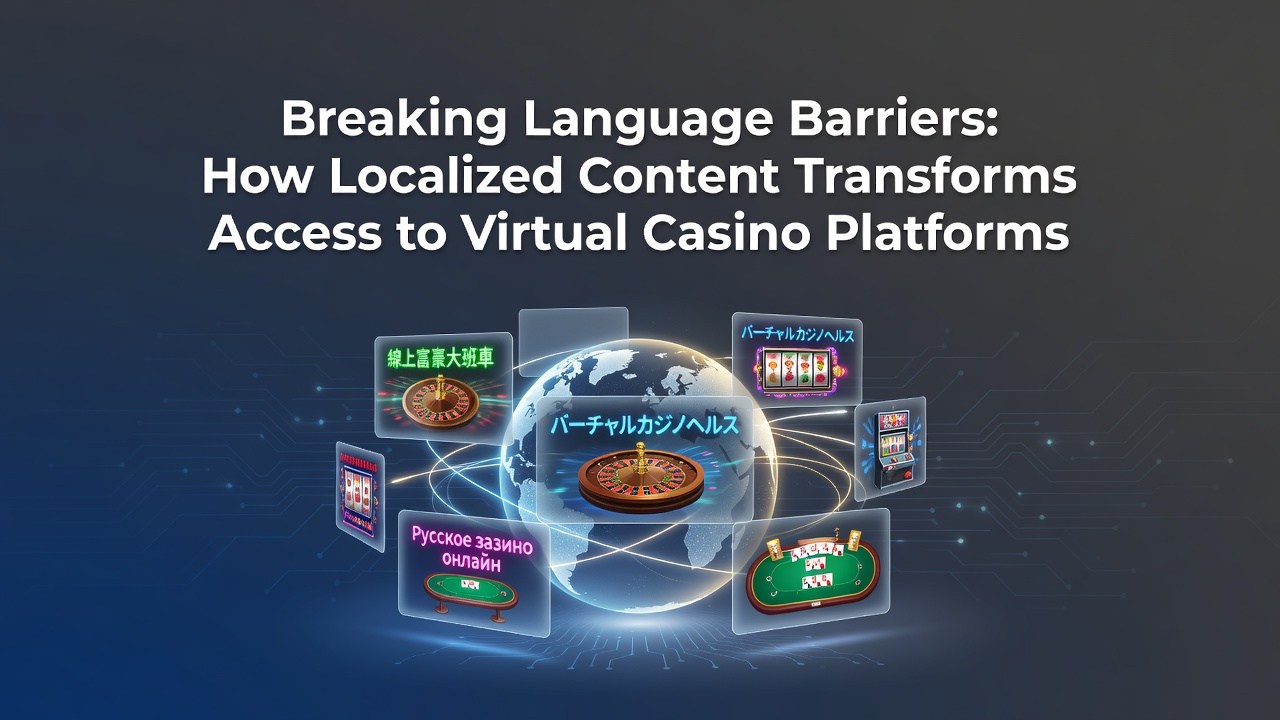
Virtual casino platforms operate across borders where language differences create significant hurdles for users seeking to engage with games and services, yet localized content addresses these issues by adapting interfaces, rules, and support systems to regional languages and cultural contexts. Operators achieve this through professional translations of terms and conditions, game instructions, and promotional materials while incorporating local currencies and payment preferences that align with user expectations in specific markets.
Defining Localized Content in Virtual Casino Environments
Localized content extends beyond basic text translation to include cultural nuances such as idiomatic expressions in game narratives, region-specific symbols in visuals, and adjustments to bonus structures that comply with local regulations. Data from industry analyses indicate that platforms implementing full localization see measurable increases in user retention rates because players encounter fewer obstacles when navigating menus or understanding wagering requirements. Researchers at various academic institutions have documented how these adaptations reduce bounce rates on registration pages by integrating familiar terminology that resonates with native speakers.
Payment gateways form another critical component where localization plays a direct role, since users in different countries prefer methods like e-wallets popular in Scandinavia or bank transfers common in parts of Asia. Platforms that embed these options alongside language switches allow seamless transactions that encourage longer session times and repeated visits. Observers note that such features prove especially valuable in emerging markets where internet penetration continues to rise yet linguistic familiarity with English remains limited.
Impact on User Accessibility and Market Expansion
Studies conducted through 2025 reveal that virtual casino operators expanding into non-English speaking regions experience accelerated growth when they prioritize localization efforts, with user acquisition costs dropping as word-of-mouth referrals increase among communities that previously avoided international sites. In June 2026 several platforms reported updates to their systems that incorporated additional dialects from Southeast Asia and Eastern Europe, resulting in higher engagement metrics according to internal analytics shared with regulatory bodies.
Accessibility improves further when live chat support teams operate in multiple languages during peak hours, enabling real-time assistance that clarifies rules or resolves account issues without forcing players through automated translation tools. This approach aligns with findings from reports issued by the Malta Gaming Authority, which emphasize how multilingual interfaces support responsible gambling measures by ensuring players fully comprehend deposit limits and self-exclusion processes.
Regulatory Compliance and Technical Implementation
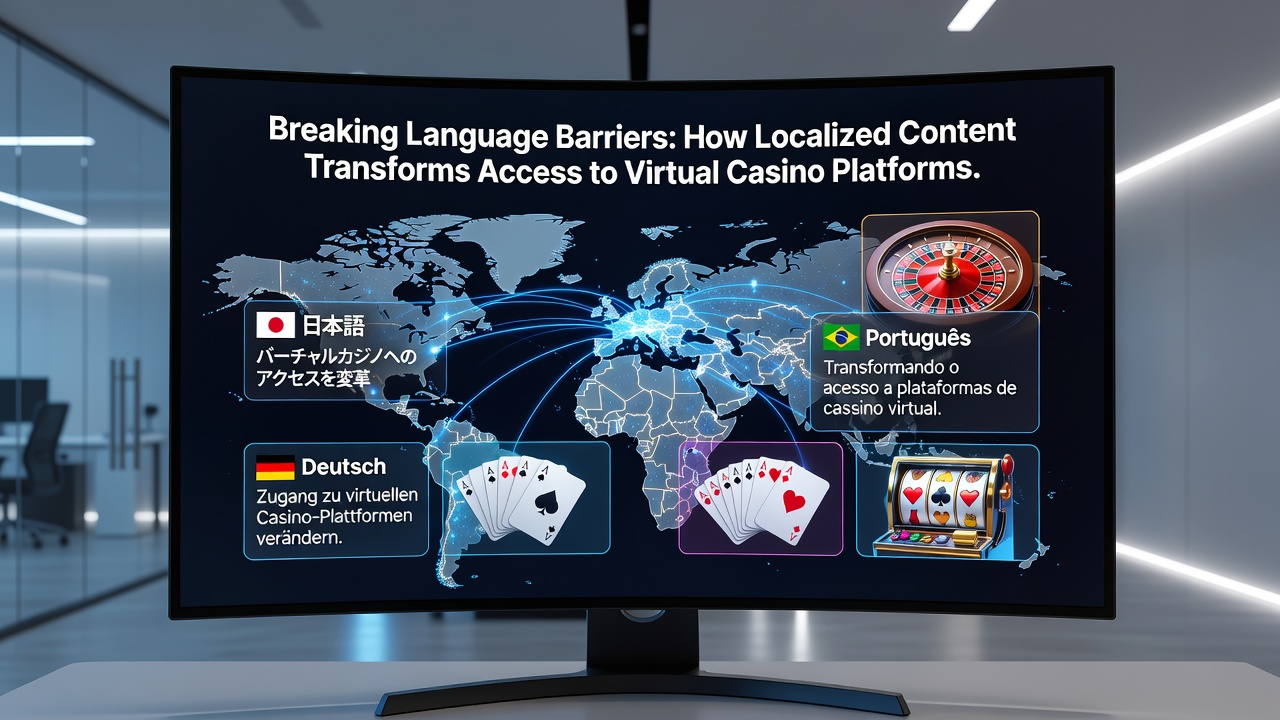
Government agencies across Canada and Australia require operators to deliver content in official languages to obtain licensing, which drives technical investments in content management systems capable of handling dynamic language switching without compromising security protocols. These systems rely on modular design that separates core game code from translatable elements, allowing updates to occur efficiently when new regulations emerge or when markets demand additional language support.
Technical teams often collaborate with linguists and cultural consultants to avoid literal translations that might alter intended meanings in promotional offers or game mechanics, a process that maintains platform integrity while meeting legal standards. Evidence from industry reports shows that such thorough preparation correlates with fewer compliance violations and smoother audits conducted by oversight organizations like those in the European Union framework.
Examples from Regional Markets
Platforms targeting Latin American users have integrated Spanish and Portuguese variants that include local payment processors and soccer-themed promotions, leading to documented rises in active accounts as tracked by independent analytics firms. Similarly operators entering African markets have adapted interfaces for Swahili and French speakers, incorporating mobile money options that reflect prevalent transaction habits in those areas.
One documented case involves a major operator that expanded its Japanese language offerings in early 2026, resulting in increased traffic from that region according to data aggregated by gaming trade associations. These expansions demonstrate how localized elements remove friction points that previously limited participation from non-English primary speakers.
Challenges in Achieving Effective Localization
Despite clear advantages, operators face ongoing challenges including the high costs of maintaining accurate translations across numerous languages and the need for continuous updates when games receive new features or regulatory changes occur. Smaller platforms sometimes rely on machine translation with human review layers, yet this hybrid method requires careful quality control to prevent errors that could mislead users about terms.
Technical compatibility issues arise when integrating right-to-left scripts or handling character encoding variations, which demands specialized development resources. Data indicates that platforms investing in robust localization infrastructure achieve better long-term outcomes compared to those making minimal adjustments.
Conclusion
Localized content continues to reshape access patterns for virtual casino platforms by bridging linguistic divides that once restricted participation to English-proficient users alone. Through systematic adaptations in language, payments, and support structures operators expand their reach while satisfying regulatory demands from diverse jurisdictions. As markets evolve into June 2026 and beyond, platforms maintaining these standards position themselves to capture growing audiences in regions previously underserved due to language barriers.