Casino Resource Networks and Their Influence on Withdrawal Distribution Trends
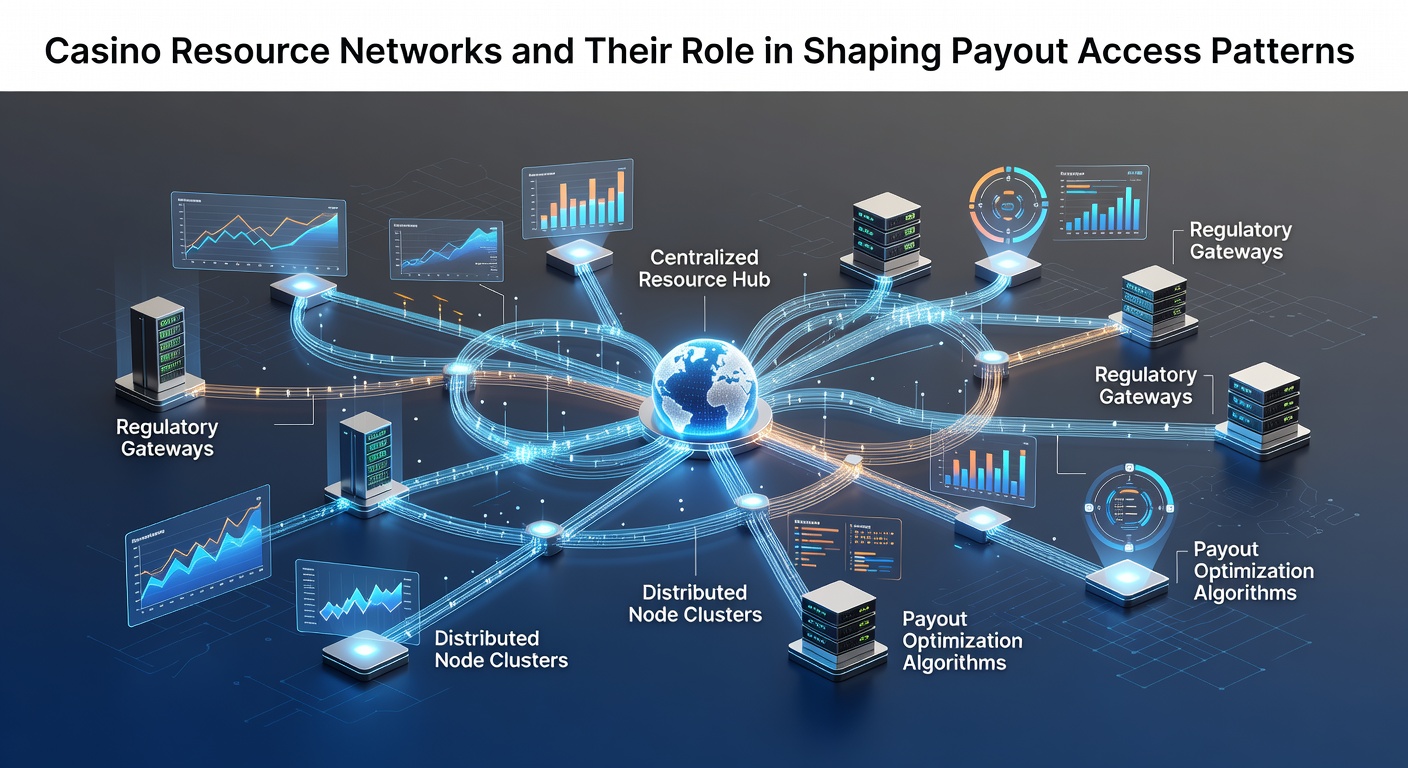
Casino resource networks consist of interconnected systems that link payment processors, compliance databases, and operator platforms to manage transaction flows, and these structures directly affect how players retrieve winnings through coordinated data exchanges that streamline verification steps while routing requests to appropriate financial channels. Observers note that such networks have expanded since the early 2010s as operators integrated real-time monitoring tools to handle increasing volumes of digital transfers across jurisdictions.
Core Components of Casino Resource Networks
These networks combine several elements including shared ledgers for transaction logging, API connections between banks and gaming servers, plus centralized risk assessment modules that flag unusual activity patterns before funds move. Data shows that operators using integrated resource networks reduce processing delays by routing approvals through pre-verified pathways rather than isolated checks. Researchers have observed that the architecture often incorporates regional hubs, for instance in North America and parts of Asia, where local regulations require specific reporting formats that the network translates automatically into standardized outputs.
Payment gateways form another layer within these systems because they connect directly to player accounts and trigger automated compliance scans that reference external watchlists maintained by oversight bodies. The result appears in faster initial approvals for routine withdrawals while complex cases get escalated to human review teams that still operate inside the same network framework. Industry figures reveal that multi-currency support within these networks allows seamless conversion during payout requests, which influences access patterns in markets where players hold balances in several denominations.
How Networks Shape Access Patterns Across Regions
Access patterns shift when resource networks standardize verification protocols, because players in one jurisdiction encounter similar approval timelines as those in another despite differing local rules. In May 2026 several Asian operators plan to activate expanded network nodes that link Vietnamese and Philippine platforms to shared Southeast Asian clearing systems, a move expected to alter withdrawal speeds for regional users. Those who've tracked these developments point out that the added nodes will route requests through fewer intermediaries, cutting steps that previously extended processing from days to hours in cross-border scenarios.
European operators demonstrate parallel effects where networks coordinate with national tax authorities to deduct required amounts at the point of transfer, which creates predictable patterns for players who receive net amounts without separate filings. Canadian provincial regulators have supplied data indicating that network-linked casinos report lower dispute rates on payouts because automated reconciliation catches discrepancies before funds leave operator accounts. Such coordination extends to loyalty program integrations that adjust withdrawal limits based on player history stored across the network, thereby guiding access frequency and amounts.
Regulatory Integration and Data Sharing Mechanisms
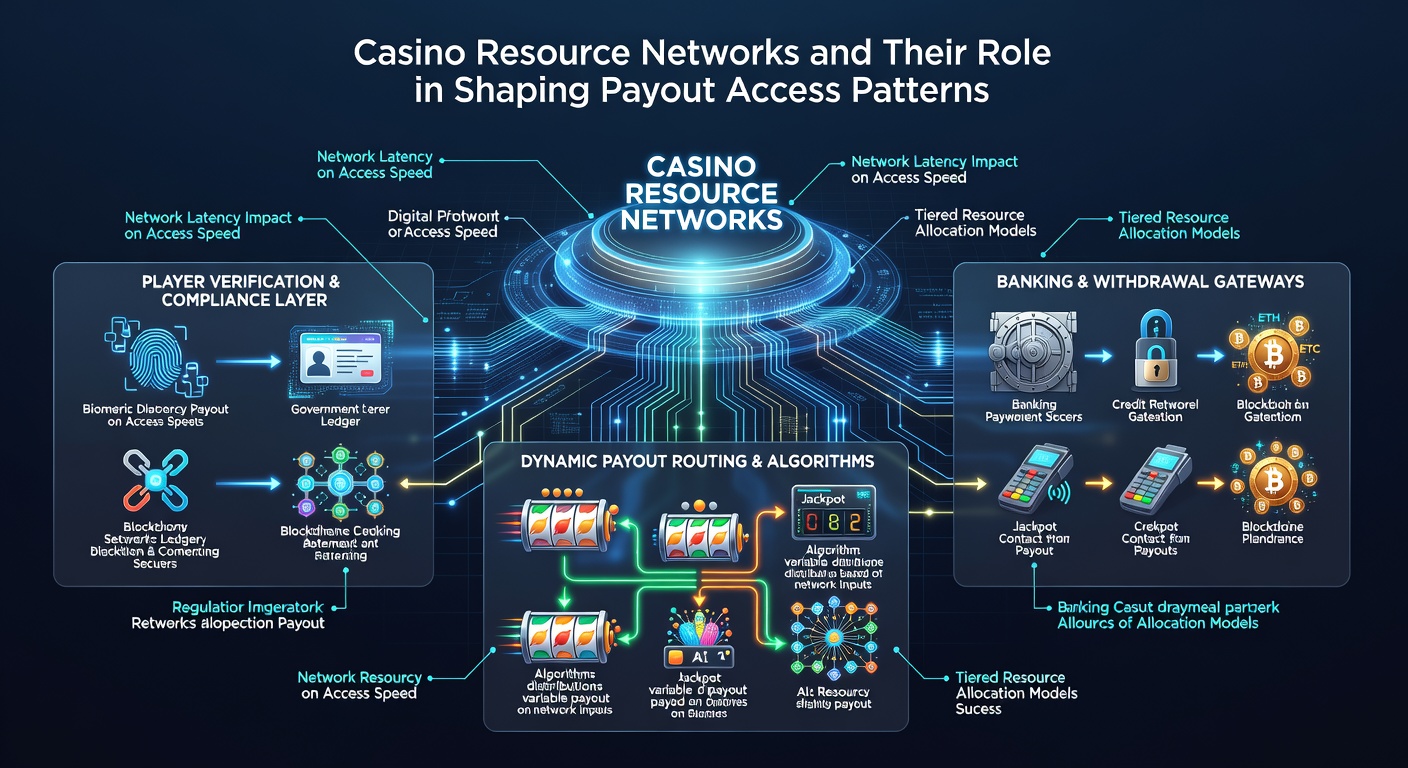
Regulatory bodies contribute to network design by supplying standardized data fields that operators must populate during each transaction, and this requirement forces networks to embed compliance layers that check against live databases. Australian authorities, for example, require integration with specific identity verification services that feed directly into payout authorization sequences, creating access patterns where verified players experience fewer interruptions. Similar arrangements exist in other markets where governments maintain centralized player registries that networks query in real time before releasing funds.
Academic studies from institutions in Singapore have examined how these shared resources reduce fraud incidents by cross-referencing withdrawal requests against historical play data stored network-wide, and the findings indicate measurable declines in chargeback volumes following network adoption. Resource networks also support audit trails that regulatory inspectors access through secure portals, which streamlines oversight without altering the core payout sequence for players. The outcome surfaces in more consistent access windows because operators align internal policies with network-enforced rules rather than maintaining separate procedures.
Future Developments in Network Architecture
Expansion continues as operators incorporate blockchain elements into existing networks to create immutable transaction records that further accelerate dispute resolution and payout confirmations. Projections based on current adoption rates suggest broader rollout of these features by late 2026, particularly in markets where multiple operators already share infrastructure. Those monitoring the sector note that such upgrades will likely standardize access patterns even more tightly because every node will reference the same distributed ledger during approval steps.
Conclusion
Casino resource networks continue to define payout access by linking verification, routing, and compliance functions into unified systems that operate across borders and regulatory environments. The patterns that emerge reflect coordinated data flows rather than isolated operator decisions, producing measurable consistency in withdrawal timelines and regional variations tied to local integration levels. Ongoing expansions scheduled around May 2026 will add further nodes that refine these dynamics in additional markets.