Cross-Border Digital Gaming Platforms Adapt Content and Verification Layers for Regional Compliance
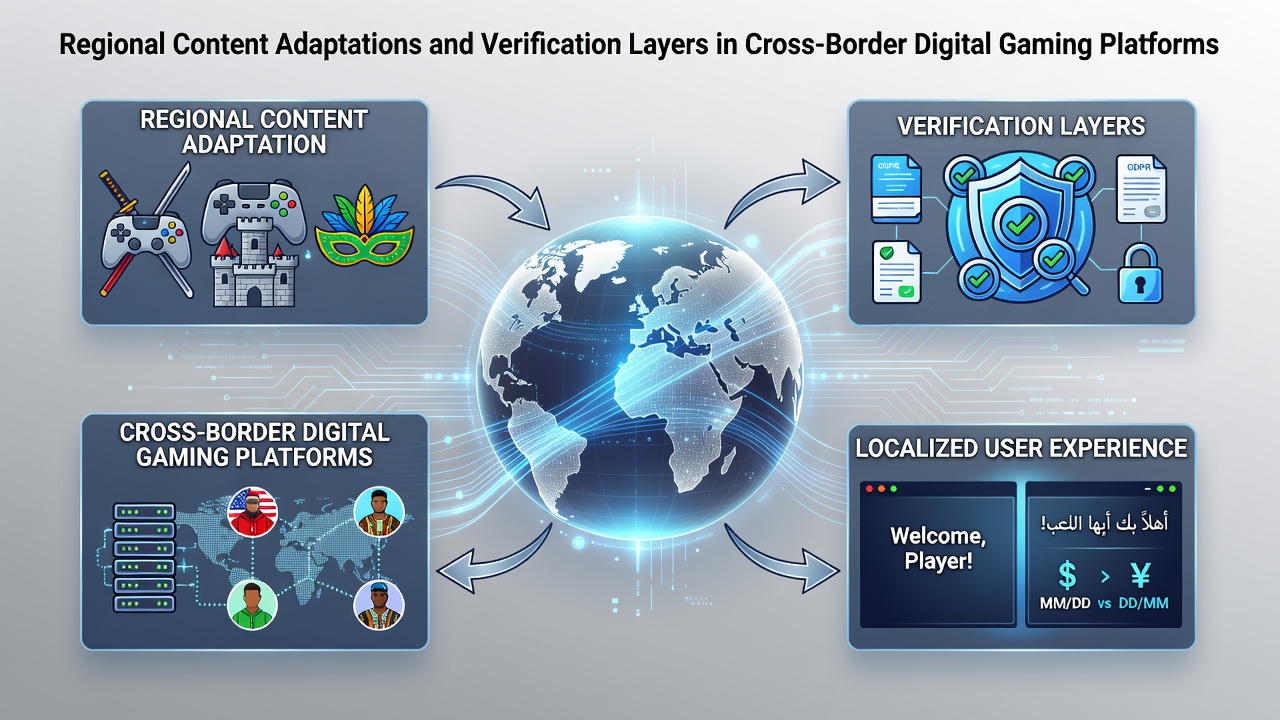
Digital gaming platforms operating across borders face distinct requirements that shape how games appear to users in different jurisdictions, and these adaptations often tie directly into verification processes that confirm player eligibility before access begins. Platforms adjust game libraries, payment options, promotional structures, and visual elements to align with local regulations while maintaining operational consistency on the backend.
Content Modifications Driven by Regional Regulations
Platforms modify game offerings because laws in one area may prohibit certain mechanics that remain permitted elsewhere, and this leads operators to segment their catalogs based on user location data collected during initial access. In practice, a slot title available in one market might feature altered reel structures or bonus rounds in another to comply with restrictions on random number generator transparency or maximum stake limits, while language localization extends beyond simple translation to include region-specific cultural references that avoid sensitive themes. Payment integrations also shift, since some regions require support for local banking rails or prepaid cards that platforms must verify separately from standard credit options.
Observers note that these changes occur at scale, with automated systems detecting IP addresses, device settings, and account registration details to route users into the appropriate content version. June 2026 saw several platforms roll out updated interfaces in parts of Asia and Europe where new tax reporting rules took effect, forcing adjustments to how winnings display and how transaction histories export for regulatory review. Research indicates that such adaptations reduce the risk of non-compliance fines, yet they require ongoing coordination between legal teams and development staff who track legislative updates across multiple countries.
Verification Layers Supporting Cross-Border Access
Verification systems operate in multiple stages, beginning with basic identity checks that confirm age and residency before any gameplay occurs, and these steps often incorporate document uploads, biometric scans, or third-party database cross-references. Geo-location technology adds another layer by confirming that the user remains within an approved jurisdiction, which prevents access from restricted areas even if the initial registration passed earlier checks. Multi-factor authentication through mobile devices or email further secures accounts, particularly when players attempt to switch regions or update payment methods that trigger additional reviews.
Industry reports highlight how platforms combine these layers into unified dashboards that flag inconsistencies automatically, such as mismatched addresses or unusual login patterns that suggest proxy usage. Those who manage these systems emphasize the importance of balancing security with user convenience, since overly strict processes can increase drop-off rates during onboarding. Data from regulatory filings shows that verification completion rates vary by region, with higher success in markets that already maintain centralized identity databases compared to areas relying on manual reviews.

Technical Infrastructure Behind Regional Adaptations
Backend architectures rely on modular content delivery networks that store multiple versions of each game asset and serve the correct iteration based on real-time compliance rules, and these networks integrate with verification databases to ensure only cleared users receive region-specific experiences. Developers often build rule engines that update dynamically when new legislation appears, allowing changes without full platform redeployment. This approach supports markets with rapidly evolving rules while preserving a single core codebase for efficiency.
Case examples from operators active in both North American and European markets demonstrate how verification data feeds directly into content filters, blocking games that exceed local volatility thresholds or lack required certification marks. Platforms maintain audit logs of every adaptation and verification decision, which regulators review during licensing renewals or spot inspections. Evidence suggests that integrated systems lower operational costs over time because manual intervention decreases once the initial setup stabilizes.
Challenges in Maintaining Consistent Verification Across Borders
Differences in data privacy laws create friction because some jurisdictions limit how long platforms can retain verification records, while others require extended storage for audit purposes, and this forces operators to segment their databases accordingly. Currency conversion and tax withholding calculations add further complexity, since verification layers must confirm player status before applying the correct deductions that vary by treaty agreements between countries. Time zone handling also matters for live dealer games or time-limited promotions that platforms adjust per region to avoid confusion.
Industry associations such as the European Gaming and Betting Association have published guidance on harmonizing certain verification standards without compromising local rules, and their resources outline practical steps operators follow. Meanwhile, studies from Canadian research institutions track how cross-border players interact with adapted content, revealing patterns in session duration and game preferences that inform future platform updates.
Future Developments in Verification and Adaptation Systems
Emerging technologies like decentralized identity solutions and machine learning models for anomaly detection promise to streamline verification while preserving regional distinctions, and early adopters report faster onboarding without increased fraud incidents. Regulatory bodies continue to collaborate on shared standards for certain verification elements, although full harmonization remains distant given varying cultural attitudes toward gambling. Platforms that invest in flexible infrastructure position themselves to respond quickly when new markets open or existing rules shift.
Conclusion
Regional content adaptations and verification layers function as interconnected components within cross-border digital gaming platforms, each supporting compliance while enabling broader access. Continued refinement of these systems depends on accurate data collection, responsive technical architecture, and alignment with evolving international standards that differ by jurisdiction.