Decoding Trust Networks in Global Gaming Through Verification Layers
Theo Neumann · Aug 19, 2026
Decoding Trust Networks in Global Gaming Through Verification Layers
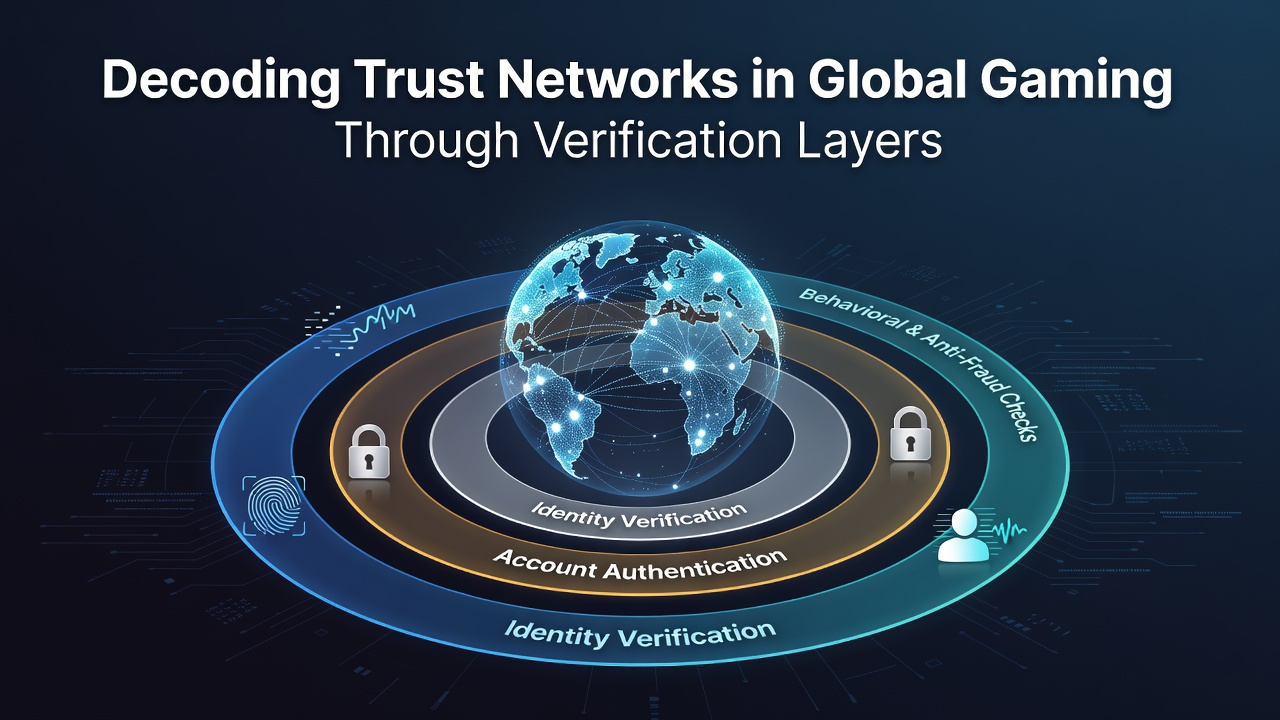
Trust networks in global gaming emerge when verification layers align regulatory standards with technological protocols, and operators in multiple jurisdictions implement these systems to connect players across borders. Research from industry reports shows that verification processes reduce fraud incidents by confirming identities before accounts activate, while data from regulatory filings indicates that platforms using multi-stage checks process transactions with fewer disputes.
Core Components of Verification Layers
Verification layers operate through sequential stages that include identity confirmation, age validation, and address authentication, and these steps integrate with payment gateways to create traceable records. Observers note that systems combining document uploads with biometric scans produce audit trails that regulators review during compliance assessments, and figures from the Nevada Gaming Control Board reveal consistent application of such protocols in licensed operations.
Blockchain-based verification adds another dimension because immutable ledgers record each transaction step without central storage points, and studies from research institutions highlight how distributed networks allow independent parties to confirm data integrity. Those who've examined these setups find that smart contracts automate payout triggers once conditions meet predefined criteria, which reduces manual intervention while maintaining transparency across networks.
International Regulatory Alignment
Regulators in different regions coordinate verification requirements through mutual recognition agreements, and the Malta Gaming Authority publishes guidelines that operators reference when expanding into European markets. Data indicates that platforms adopting these standards see higher approval rates for cross-border licenses, whereas fragmented approaches lead to repeated verification requests that slow user onboarding.
In August 2026, updates to verification protocols in several jurisdictions reflected new data-sharing frameworks between authorities, and industry associations reported smoother integration for operators already compliant with multiple sets of rules. What's interesting is how these alignments create trust networks that extend beyond single countries, allowing players to move between verified platforms without repeating full identity checks each time.
Technology Driving Network Effects
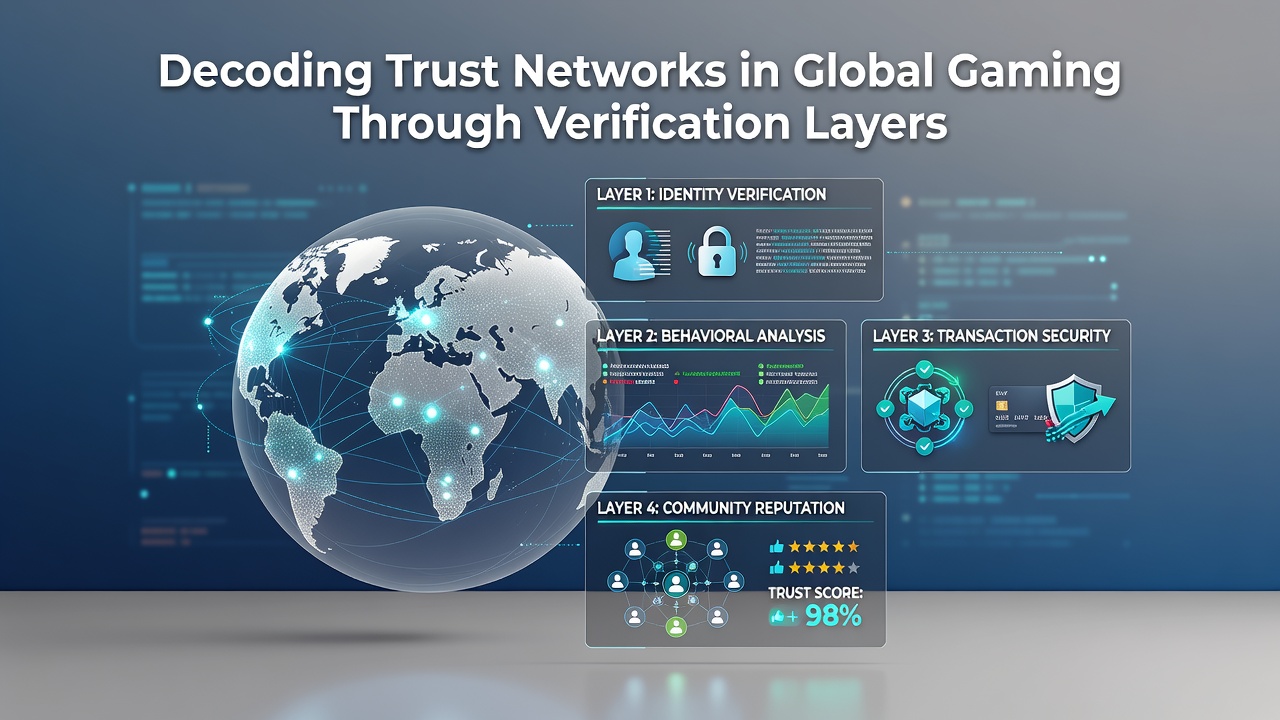
Artificial intelligence enhances verification by analyzing patterns in real time, and machine learning models flag anomalies that manual reviews might miss. According to findings from academic papers on digital identity, these tools improve accuracy rates while shortening processing times, and platforms that deploy them report lower rates of account takeovers.
Trust networks strengthen when verification data flows securely between operators and third-party services, and encryption standards protect sensitive information during transmission. Those monitoring the sector observe that regions with standardized API protocols experience faster adoption of shared verification databases, which in turn supports larger player pools without proportional increases in risk exposure.
Case Examples from Multiple Markets
One operator in the Asia-Pacific region implemented a unified verification system that connected local requirements with international benchmarks, and subsequent reports showed expanded user bases alongside stable compliance metrics. Another example involves North American platforms that integrated state-level checks with federal guidelines, resulting in verification layers that adapt to varying rules while preserving core security elements.
Research indicates that such adaptations create network effects where verified users on one platform gain easier access to partnered sites, and industry organizations track these developments through annual surveys that measure transaction volumes and dispute resolutions.
Future Developments in Verification Infrastructure
Emerging standards focus on decentralized identity solutions that let users control their verification credentials across multiple services, and pilot programs in select markets test these approaches with regulatory oversight. Data from trade groups shows gradual uptake as operators weigh implementation costs against long-term reductions in fraud-related losses.
Verification layers continue to evolve because new technologies address gaps in existing systems, and coordination among regulators, operators, and technology providers shapes how trust networks expand globally. The reality is that these interconnected processes determine which platforms maintain operational stability over time.
Conclusion
Verification layers form the foundation of trust networks in global gaming by linking regulatory compliance with technical security measures, and ongoing developments in August 2026 and beyond will determine how these systems scale across additional markets. Operators that align with evolving standards position themselves within broader networks where verified data supports efficient operations, and regulatory bodies track these connections through established reporting channels.