Expanding Casino Accessibility: Language Localization and Informative Platforms for International Audiences
Theo Neumann · Aug 21, 2026
Expanding Casino Accessibility: Language Localization and Informative Platforms for International Audiences
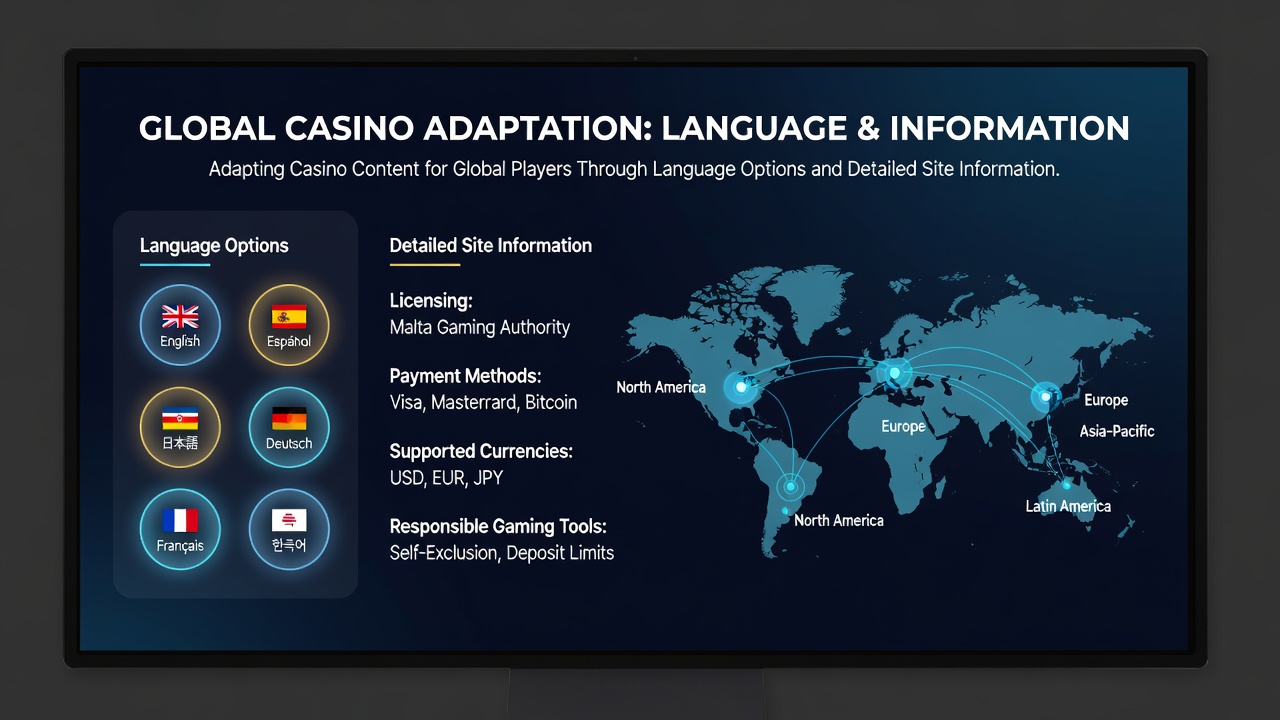
Online casino platforms have expanded their reach by offering content in multiple languages while providing thorough details about games, rules, and account procedures, and this approach addresses the needs of players across different regions who seek clear communication in their preferred tongue. Data from industry reports shows that operators who implement robust localization strategies see increased engagement from users in non-English speaking markets, where language barriers previously limited participation. Researchers at various gaming studies centers note that accurate translations of terms and conditions, along with explanations of payout structures, help build trust among global audiences who review these materials before signing up.
Language Options as a Core Adaptation Tool
Operators adjust their sites to support languages such as Spanish, German, French, Japanese, and Mandarin because these options allow players to navigate registration forms, game descriptions, and support chats without confusion, and figures from market analyses indicate that sites with at least five language choices attract higher retention rates in Europe and Asia. Translation teams work to maintain consistency across bonus terms, withdrawal policies, and responsible gaming sections so that users receive identical information regardless of the selected interface. What's interesting is how some platforms integrate regional dialects or cultural nuances into their wording, which helps avoid misunderstandings that could arise from literal translations alone.
But here's the thing: simply adding a language selector does not guarantee effective adaptation, since the underlying content must reflect local regulations and player expectations in each market. Studies from academic institutions focused on digital communication reveal that players in regulated jurisdictions prefer interfaces where legal disclaimers appear in the native language with precise legal terminology, and this practice aligns with requirements set by bodies like the Malta Gaming Authority. Observers note that casinos which update their language libraries regularly to include new markets often reference data from sources such as the European Gaming and Betting Association when planning expansions.
Detailed Site Information and Its Role in Player Decision-Making
Comprehensive details on payment methods, game volatility, and account verification processes appear on well-adapted platforms because these elements enable players from various countries to compare options before committing funds. Sections covering deposit limits, processing times, and currency conversions receive particular attention since they directly affect users who handle transactions in euros, yen, or Australian dollars. Research indicates that sites providing step-by-step guides in multiple languages reduce the volume of support tickets related to basic account setup, which frees resources for more complex queries.
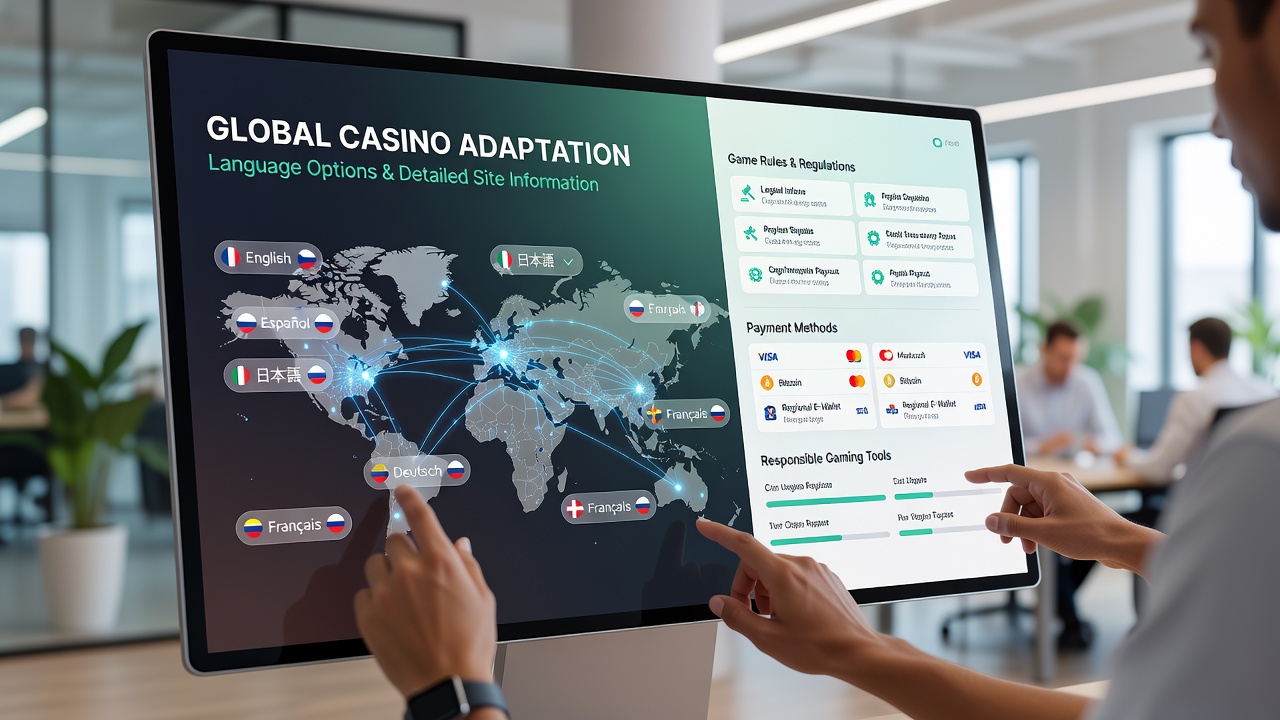
Those who've examined user behavior patterns point out that detailed information on game rules and RTP percentages, presented clearly in the chosen language, correlates with longer session durations across different demographics. Platforms often organize this content into searchable help centers or FAQ pages that cover topics from bonus wagering requirements to self-exclusion tools, and such structures prove especially useful for players encountering online gambling for the first time in their region. Data compiled in 2026 shows continued growth in international traffic to sites that maintain updated informational resources alongside their language expansions.
Integration of Language Support with Informational Depth
Effective adaptation combines language options with detailed explanations so that players encounter no gaps when moving between sections like promotions, game lobbies, and banking areas. Operators achieve this by employing native-speaking content teams who verify that every detail, from progressive jackpot rules to loyalty program tiers, translates accurately while preserving original meaning. And yet the process extends beyond text, since video tutorials and live chat features also require multilingual capabilities to maintain consistency across the entire user journey.
Turns out that platforms which link their language settings directly to region-specific information, such as tax implications or local payment providers, create smoother experiences for users who might otherwise switch sites. Industry reports from organizations tracking global gaming trends highlight that this integrated approach supports compliance with diverse regulatory frameworks found in places like Canada and Australia, where clear disclosure of terms remains a priority. People who've studied these adaptations observe that the combination reduces friction during the onboarding process and encourages repeat visits from international audiences.
Current Trends in August 2026 and Beyond
Recent developments in August 2026 reflect ongoing investments in artificial intelligence tools that assist with real-time translation updates, allowing operators to respond quickly to new game releases or regulatory changes in multiple languages simultaneously. These tools work alongside human reviewers who ensure cultural appropriateness and technical accuracy in areas such as responsible gaming messages. Figures released by research firms show steady increases in the number of languages offered by major platforms, driven by demand from emerging markets in Latin America and Southeast Asia.
What's significant is how detailed site information now incorporates interactive elements like calculators for bonus values or timeline displays for withdrawal processes, and these features appear in every supported language to maintain accessibility. Regulatory updates in various jurisdictions continue to emphasize transparency, which reinforces the need for both linguistic variety and substantive content depth on casino websites.
Conclusion
Language options paired with detailed site information form a practical framework that allows online casinos to serve global players effectively, and the data available through 2026 confirms measurable benefits in user engagement and compliance. Operators who prioritize accurate localization alongside thorough explanations of rules, payments, and features position their platforms to meet the expectations of diverse audiences without creating barriers. Continued refinement of these elements supports broader participation while aligning with the informational standards required across international markets.