Global Reward Flow Mapping: Operator Disclosures adn Platform Accessibility as Key Tools
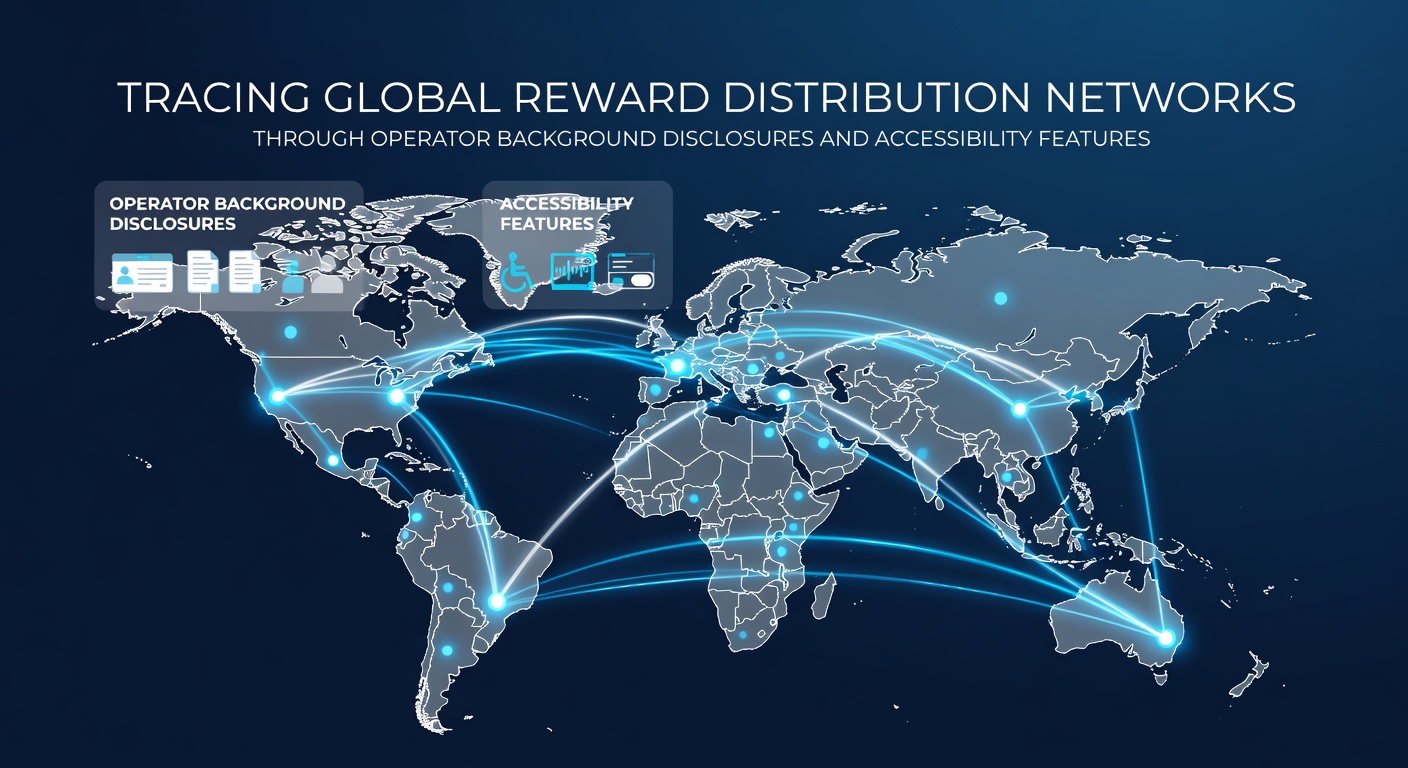
Tracing reward distribution networks requires careful examination of operator background disclosures alongside platform accessibility features, and researchers have mapped these elements to reveal patterns in how incentives reach users across multiple jurisdictions. Corporate filings, licensing records, and ownership structures provide the foundation for following fund flows, while multilingual support, device compatibility, and interface designs determine how quickly players can access those rewards. Data from industry analyses show that operators releasing detailed background information often maintain clearer pathways for payout processing, particularly when accessibility tools allow users to navigate withdrawal systems without friction.
Operator Background Disclosures as Network Indicators
Company registration documents, shareholder lists, and regulatory submissions form the starting points for mapping reward networks, and analysts note that jurisdictions requiring annual transparency reports create more traceable pathways. For instance one study of European operators found that those publishing full ownership histories maintained consistent payout timelines across borders, whereas entities with limited disclosures showed fragmented distribution patterns. Accessibility features such as language selectors and currency converters further clarify these networks because they indicate the regions where operators actively route rewards. Observers have tracked how operators with robust background disclosures in June 2026 expanded their accessibility options in emerging markets, which correlated with smoother cross-border transfers according to aggregated transaction data.
Accessibility Features Revealing Distribution Pathways
Platform design choices like mobile optimization, multi-currency support, and regional payment integrations serve as markers for reward flow directions, and experts tracking these elements report that operators investing in broad accessibility tend to centralize distribution through fewer intermediary accounts. Research indicates that sites offering seamless language switching and localized banking options often process rewards faster because the infrastructure already aligns with user locations. Those who've examined operator contact archives discover that disclosures mentioning specific subsidiaries frequently coincide with accessibility upgrades targeting those same markets, creating traceable links between corporate structure and payout efficiency. In practice, a platform listing its parent company in one jurisdiction while providing native-language interfaces in several others signals a deliberate network architecture for reward movement.
Case Patterns in June 2026 Data
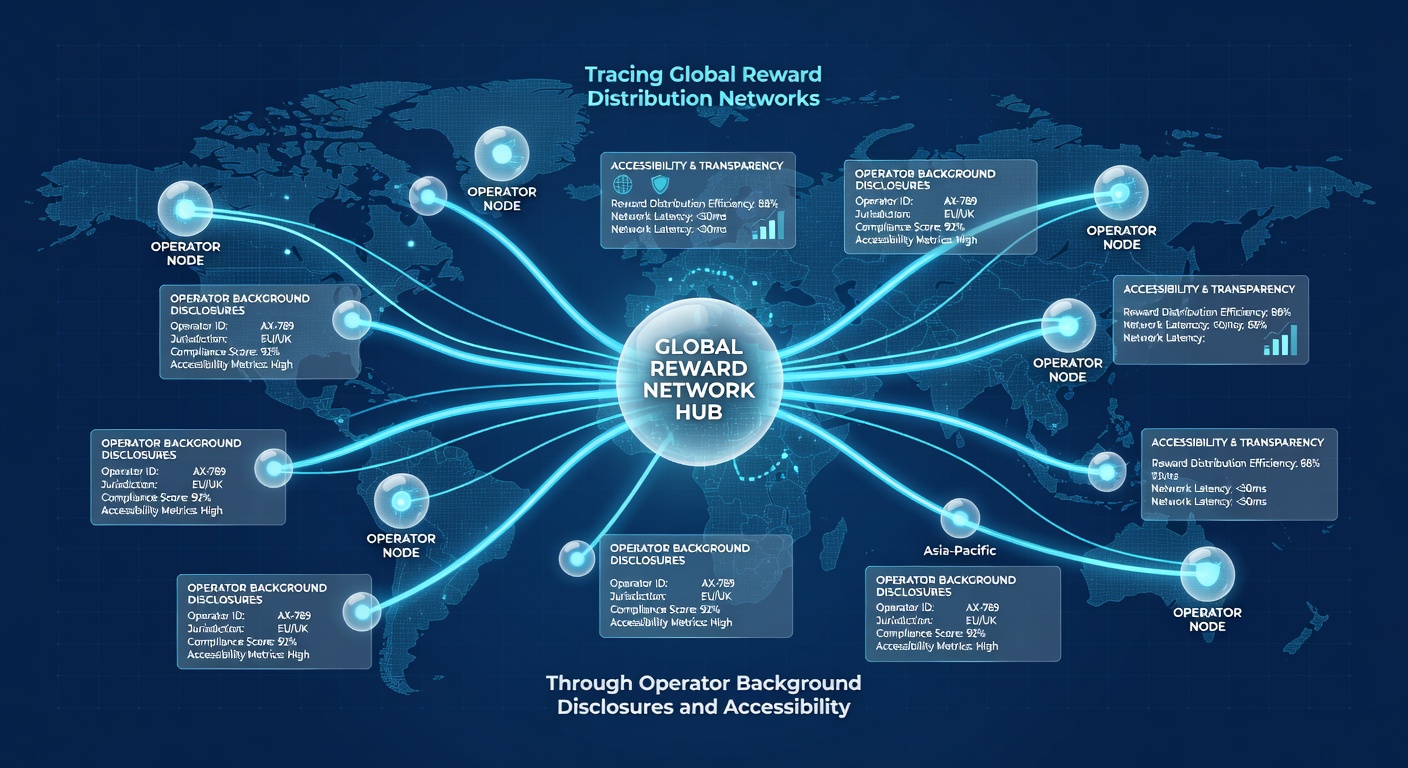
Records compiled during June 2026 highlight several operators whose background disclosures aligned with accessibility expansions that streamlined reward distribution, and figures from regional monitoring bodies reveal increased activity in Asia-Pacific corridors. Operators disclosing licensing ties to multiple authorities while rolling out enhanced mobile features demonstrated higher volumes of processed incentives in tracked jurisdictions. People analyzing these trends note that accessibility metrics such as page load speeds in local languages often predict the speed of reward routing because technical infrastructure supports the same pathways used for financial transfers. One documented pattern showed operators updating their about sections with new subsidiary details in tandem with accessibility rollouts, resulting in more visible distribution nodes across global networks.
Regulatory Influences on Traceability
Government agencies in various regions enforce disclosure standards that directly affect how reward networks can be followed, and reports from the Australian Communications and Media Authority detail how transparency requirements improve visibility into operator structures. Canadian provincial regulators similarly publish licensing data that, when combined with accessibility audits, helps identify where rewards originate and terminate. Industry groups like the European Gaming and Betting Association have compiled datasets showing correlations between mandated background reporting and the deployment of user-friendly features that accelerate reward access. These combined data sources allow observers to construct maps of distribution without relying on single points of information.
Integration of Disclosures and Features
Operators that integrate background information directly into accessible platform sections create additional tracing opportunities, and examples include contact pages listing regulatory identifiers alongside currency tools that match disclosed jurisdictions. Data shows this integration reduces delays in reward distribution because users encounter fewer barriers when moving between verification steps and payout requests. Analysts examining such platforms in mid-2026 observed that accessibility enhancements often followed updates to corporate disclosures, suggesting operators use feature rollouts to signal network reliability. The resulting pathways become easier to follow when both elements reinforce each other through consistent regional targeting.
Conclusion
Combining operator background disclosures with accessibility feature analysis provides a structured method for tracing global reward distribution networks, and available data from multiple regulatory sources support this approach. Patterns observed through June 2026 demonstrate that transparent ownership records paired with broad platform access tools consistently highlight active distribution channels across borders. Continued monitoring of these elements offers ongoing insight into how rewards move within international gaming ecosystems.