Mapping Player Pathways: The Role of Transparency Elements in Adapting Casino Resources for Diverse Audiences

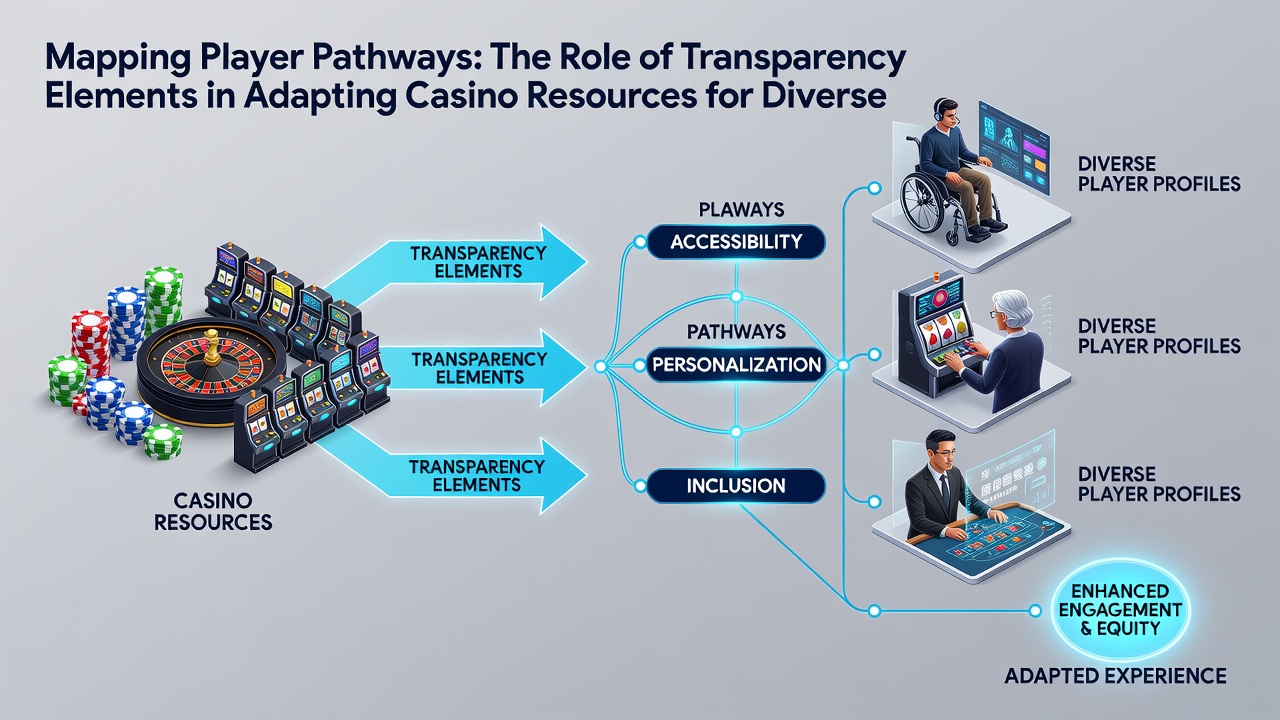
Player pathways in casino environments trace the sequence of decisions and interactions that individuals follow from initial discovery through engagement and ongoing participation, and transparency elements such as clear disclosure of rules, payment processes, and responsible gaming features serve as fixed reference points that allow operators to adjust resources according to the needs of varied groups. Researchers have tracked these pathways across multiple jurisdictions where data collection reveals consistent patterns in how audiences from different age brackets, cultural backgrounds, and accessibility requirements respond when information remains openly available. In June 2026 several regional reports documented increases in participation among previously underrepresented demographics after platforms introduced layered transparency tools that presented the same core data in multiple formats including visual guides, simplified text summaries, and multilingual versions.
Tracing the Sequence of Player Interactions
Observers note that pathways begin with awareness stages where potential participants encounter promotional materials or search results, and this early phase already incorporates transparency markers such as visible licensing details and age verification prompts that filter audiences before deeper engagement occurs. Data from regulatory filings shows that when these markers appear consistently, conversion rates among first-time visitors stabilize across demographic lines rather than skewing toward single segments. Experts at institutions studying gaming behavior have mapped subsequent stages including account creation, deposit actions, game selection, and withdrawal requests, and they have identified transparency elements as the connectors that keep each stage aligned with user expectations regardless of prior experience levels.
Transparency as an Adaptation Mechanism
Transparency elements function as modular components that operators can reconfigure without altering underlying game mechanics or financial systems, and this modularity enables precise adjustments for audiences who require additional context or different presentation styles. Studies conducted by North American academic centers indicate that audiences with lower digital literacy retain higher satisfaction scores when terms and conditions appear in both standard and condensed formats side by side, while international audiences show improved retention when currency conversion examples and regional regulatory references accompany standard disclosures. The Alcohol and Gaming Commission of Ontario has published guidelines that encourage such layered approaches, and operators following those guidelines report measurable shifts in pathway completion rates among diverse user groups.
Adjusting Resources for Cultural and Accessibility Variations
Operators collect aggregated pathway data that highlights where specific audience segments pause or exit, and transparency features provide the diagnostic signals that point toward required adaptations such as additional language support, larger font options, or region-specific responsible gaming links. Australian research teams have documented cases where insertion of visual flowcharts explaining bonus conditions reduced drop-off rates among non-native English speakers by measurable percentages, and similar adjustments for color-blind accessibility produced parallel gains in engagement duration. These adaptations remain grounded in publicly reported statistics rather than assumptions, which allows continuous refinement as new demographic data emerges from ongoing monitoring programs.
Evidence from Regulatory and Industry Tracking
Figures released by the Nevada Gaming Control Board in recent compliance summaries illustrate how transparent display of payout percentages and dispute resolution procedures correlates with steadier participation across age cohorts, and parallel observations from European monitoring bodies confirm that audiences aged over fifty respond positively when withdrawal timelines and fee structures appear in dedicated, non-collapsible sections. Industry associations have compiled cross-regional comparisons that demonstrate transparent resource allocation leads to more balanced representation of different player types within overall traffic, and these comparisons rely on anonymized session data rather than individual profiles. The pattern holds across both land-based and digital platforms where transparency checkpoints remain standardized yet adaptable in presentation.
Practical Implementation Patterns Observed in 2026
During the first half of 2026 several operators introduced dashboard-style transparency centers that aggregate licensing credentials, audit reports, and game fairness certificates into single accessible locations, and preliminary pathway analyses indicate these centers shorten the time required for new audiences to reach active play stages. Researchers tracking these implementations note that audiences from regions with strict consumer protection traditions complete verification steps faster when the required documents and their purposes receive explicit explanations in plain language. Such centers also allow operators to insert audience-specific prompts, for instance directing users toward accessibility settings or language selectors without interrupting the main flow.
Conclusion
Mapping player pathways reveals that transparency elements operate as stable yet flexible anchors enabling casinos to calibrate resources for audiences that differ in experience, language, age, and accessibility needs, and the data collected through these pathways continues to guide incremental refinements. Regulatory bodies and academic researchers maintain ongoing documentation of these dynamics, which supports consistent application across markets while accommodating local requirements. Continued observation through 2026 and beyond will show whether expanded transparency frameworks produce further shifts in demographic balance within casino participant pools.