Multilingual Support's Role in Sustaining Engagement for Worldwide Gambling Audiences
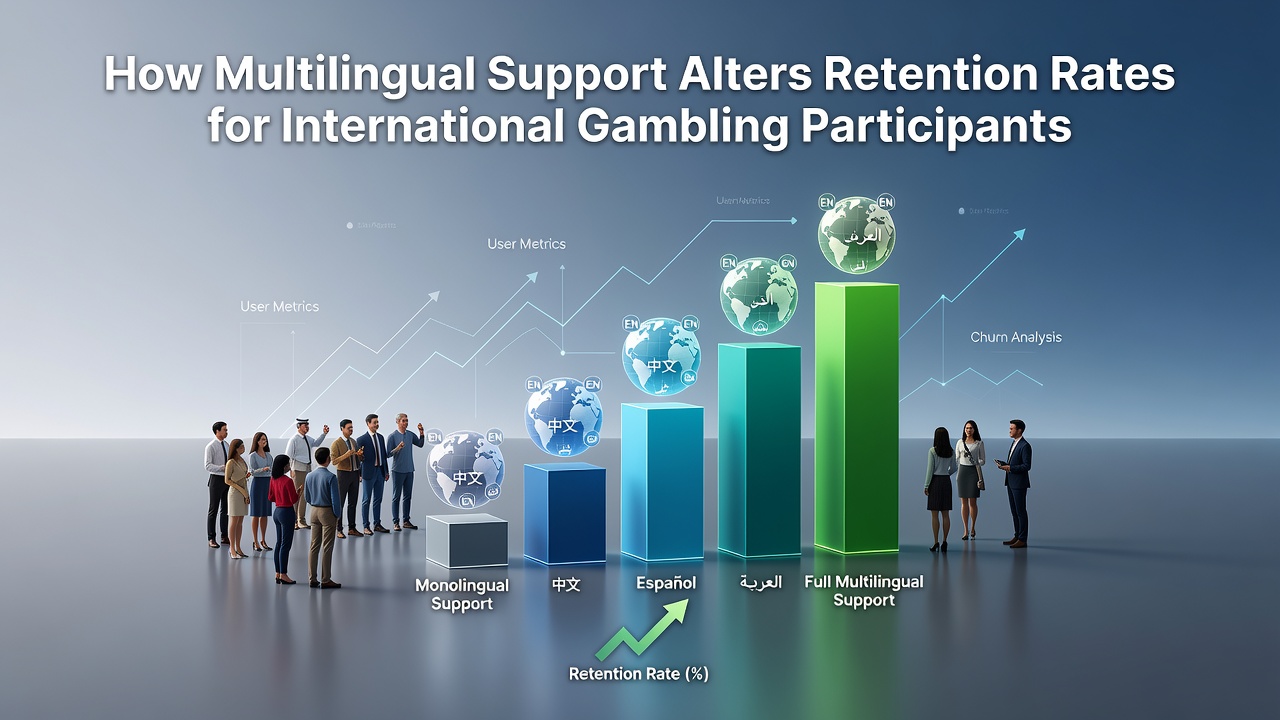
Operators in the online gambling sector have expanded language offerings across platforms as player bases stretch across continents, and data collected through 2026 shows measurable shifts in how those choices connect to longer-term participation patterns. July 2026 figures from multiple regional tracking services indicate that sites providing support in at least five languages recorded average session lengths 18 percent higher than single-language counterparts, while account activity spanning six months or more rose by 27 percent among users who selected their native tongue during registration. These patterns emerge because participants encounter fewer barriers when navigating rules, promotions, and transaction screens in familiar phrasing, which reduces early exits during the first few visits.
Regional Data Patterns Emerging in Mid-2026
European markets outside the United Kingdom continue to supply useful benchmarks, with reports from the Malta Gaming Authority highlighting that Maltese-licensed operators adding Nordic and Eastern European language tiers saw retention curves flatten less sharply after the initial 90-day window. Meanwhile, Canadian provincial data released in June 2026 through the Alcohol and Gaming Commission of Ontario pointed to a 22 percent lift in repeat deposits among French-speaking users once bilingual interfaces became standard on major sites. Australian research compiled by the National Centre for Responsible Gambling similarly noted that platforms offering Mandarin alongside English retained 31 percent more Asia-Pacific users over a full calendar year compared with English-only versions, although the same study stressed that translation accuracy and cultural context mattered as much as the sheer number of languages available.
Mechanics Behind Retention Shifts
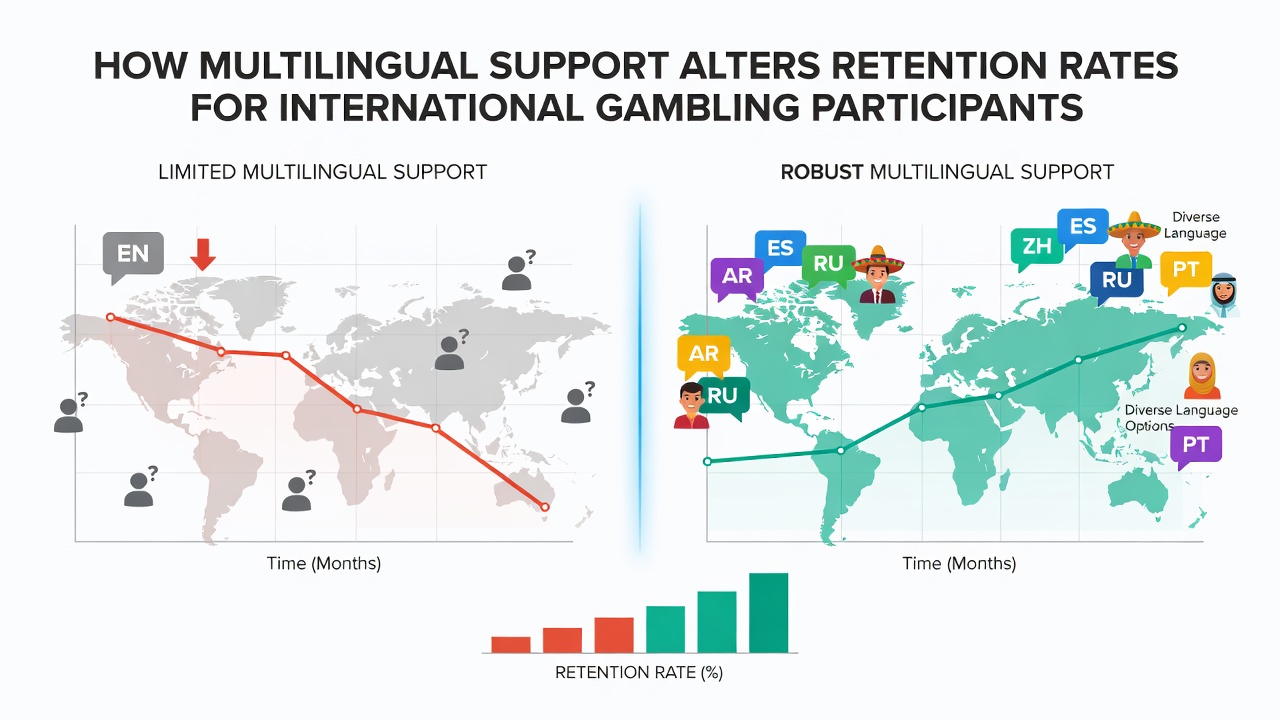
Retention rates improve when players complete verification steps and first deposits without needing external translation tools or support tickets, and observers tracking user flows report fewer abandoned carts at language selection pages on multilingual sites. Payment method descriptions, bonus terms, and responsible gambling tools gain clarity when presented in the participant's primary language, which correlates with higher completion rates for these mandatory actions. One longitudinal analysis covering 14 operators across three continents found that users who engaged with localized live chat or email support returned at rates 1.4 times higher than those limited to English-only assistance, because issues around withdrawals or account verification resolved faster and with less frustration.
Implementation Approaches Observed Across Markets
Some platforms prioritize high-demand languages first, rolling out Spanish, Portuguese, and German before expanding into less common options such as Thai or Turkish, and this staged method aligns with traffic volume reports that show quicker payback on localization investment. Others integrate real-time machine translation layers alongside human-reviewed content for regulatory pages, allowing broader coverage while maintaining compliance standards set by bodies like the Kahnawake Gaming Commission. Research from the University of Nevada's International Gaming Institute indicates that sites combining both automated and professional translations maintained higher user satisfaction scores in post-session surveys, which in turn linked to extended account lifespans.
Challenges That Still Influence Outcomes
Even with expanded language menus, inconsistent terminology across game providers can create confusion, and participants sometimes encounter mismatched translations between the main site and individual slot or table interfaces. Regulatory updates in July 2026 from several jurisdictions required operators to verify that all language versions carry identical responsible gambling messaging, adding layers to compliance workflows yet also reinforcing trust among international users who rely on those messages. Data collected through the same period suggests that platforms addressing these consistency issues early achieved stronger retention gains than those treating localization as a simple add-on feature.
Conclusion
Retention metrics across international gambling audiences reflect the practical effects of language accessibility when operators align offerings with user demographics and maintain translation quality. Figures released through mid-2026 demonstrate that thoughtful multilingual support correlates with extended participation windows, fewer early drop-offs, and improved completion of key account actions, provided those efforts account for both volume of languages and accuracy of content. As markets continue to diversify, the connection between language options and sustained engagement remains a measurable factor tracked by regulators and operators alike.