Regional Language Adaptations: Their Role in Shaping Engagement on Digital Wagering Platforms
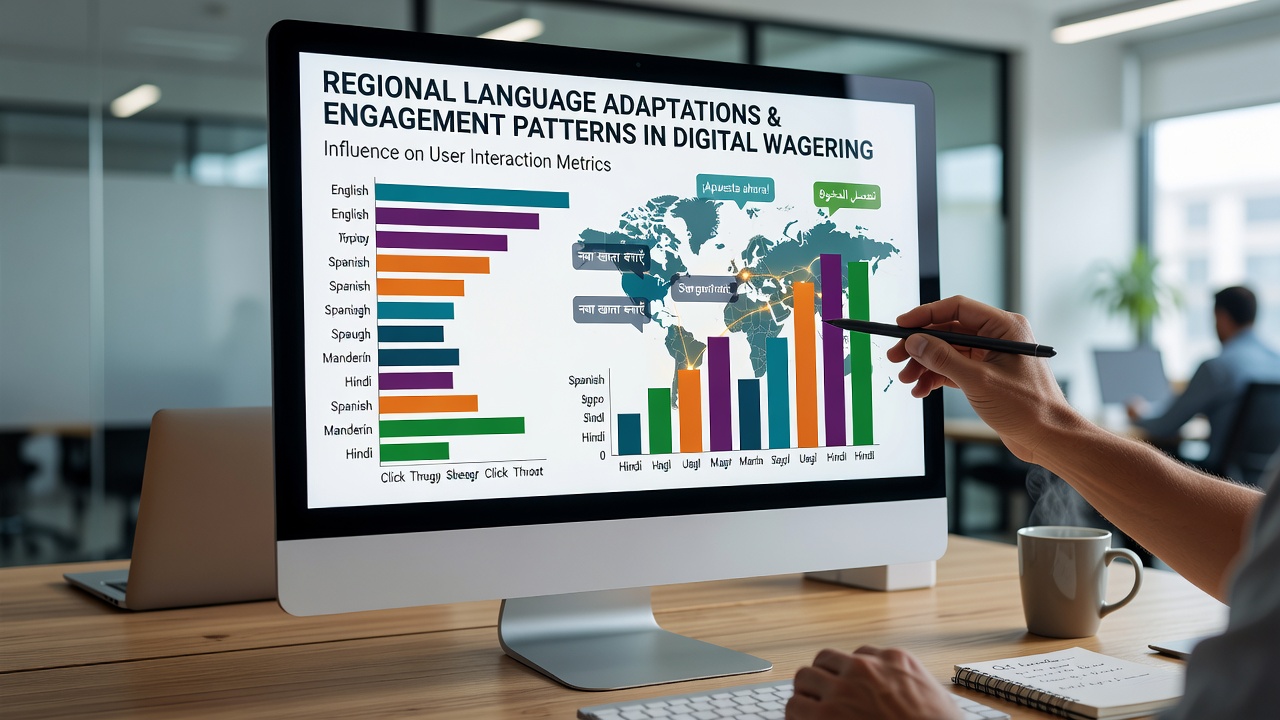
Digital wagering platforms have expanded across borders in recent years, and operators now adjust interfaces to match local languages and dialects as a core part of their rollout strategy. These adaptations go beyond simple translations because they incorporate cultural phrasing, currency formats, and regional idioms that align with how users communicate in daily life. Data from industry reports show that platforms offering localized language versions record higher session durations and repeat visits compared with those using generic multilingual templates.
Researchers tracking user behavior note that engagement patterns shift noticeably once language settings reflect the nuances of a specific market. In July 2026, several European operators updated their interfaces to include additional dialect support for Scandinavian and Iberian regions, and subsequent analytics indicated measurable lifts in average time spent per user. Observers point out that these changes often coincide with regulatory updates that require clearer disclosure language in local tongues, which further encourages platforms to refine their wording.
Defining Language Adaptations in Digital Wagering Contexts
Language adaptation on wagering sites involves more than word-for-word conversion. Teams localize menus, game descriptions, bonus terms, and customer support scripts so that terminology feels familiar rather than imported. For instance, a platform serving German-speaking users might replace direct translations of betting terms with expressions commonly heard at local sports events, while Australian sites incorporate slang that resonates with regional sports culture. Studies conducted by academic groups in Canada and Australia reveal that such targeted phrasing reduces bounce rates during the registration process because users encounter fewer unfamiliar expressions.
Platforms also adjust date formats, number separators, and measurement units to match regional conventions. These small technical tweaks accumulate into smoother navigation, and operators report that users complete deposits and withdrawals more readily when the entire flow uses familiar conventions. Evidence from multiple markets suggests that incomplete localization creates friction points that lower overall participation rates.
Regional Variations and Observed Engagement Shifts
Markets differ in how strongly language adaptations influence user retention. In parts of Latin America, platforms that integrate both Spanish and Portuguese variants with local payment terminology see sustained activity across multiple time zones. European operators serving Eastern markets have documented similar patterns after introducing Cyrillic support alongside Latin scripts, with figures indicating longer average play sessions once users can switch languages without leaving the platform.
North American data presents another picture. Several state-regulated sites in the United States introduced bilingual English and Spanish interfaces in early 2026, and tracking reports showed increased engagement among demographic groups that previously navigated English-only versions. Australian researchers examining similar changes found that incorporating Indigenous language references in select game titles correlated with higher click-through rates on promotional banners. These examples illustrate how adaptation strategies must account for the linguistic diversity within each jurisdiction rather than applying a uniform approach.

Measuring Influence on User Behavior Patterns
Engagement metrics such as session length, deposit frequency, and feature usage provide concrete indicators of how language adaptations perform. Platforms that maintain separate analytics dashboards for each language version often identify clear differences in which games attract the most attention once the interface uses local phrasing. One operator serving multiple EU countries observed that users accessing the site in their primary language explored live dealer options more frequently than those using a secondary language setting.
Customer support interactions also reflect these patterns. When help documentation and chat services operate in the user's preferred language, response times shorten because fewer clarification exchanges occur. Regulatory filings from various jurisdictions note that clear language in terms and conditions correlates with fewer disputes over bonus eligibility and withdrawal procedures. Those who have reviewed platform logs across regions consistently find that localized wording reduces support ticket volume related to misunderstandings.
Technical and Regulatory Considerations Driving Adaptation
Implementing regional language versions requires coordination between translation specialists, compliance teams, and software developers. Content management systems must support dynamic language switching without disrupting ongoing sessions, and automated quality checks help maintain consistency across updates. Regulatory bodies in Canada and Australia have issued guidance emphasizing accurate translation of responsible gambling messages, which has prompted operators to audit their language assets on a regular schedule.
Industry associations tracking digital wagering trends report that platforms investing in ongoing localization updates maintain steadier user bases during seasonal fluctuations. These investments include periodic reviews of slang usage and cultural references to keep language current. Observers note that markets with rapidly evolving digital vocabularies require more frequent adjustments than those with stable linguistic norms.
Conclusion
Regional language adaptations continue to shape how users interact with digital wagering platforms through measurable effects on navigation ease, session duration, and support interactions. Data collected across multiple jurisdictions in 2026 demonstrates that tailored language versions align interface elements with local expectations and reduce friction points that otherwise interrupt engagement. Operators that maintain systematic localization processes alongside regulatory compliance appear positioned to sustain user activity across diverse markets while meeting the evolving standards set by authorities in different regions.