Regulatory Shifts and Their Mark on Localized Support Features Across Global Gaming Sites
Theo Neumann · Aug 7, 2026
Regulatory Shifts and Their Mark on Localized Support Features Across Global Gaming Sites
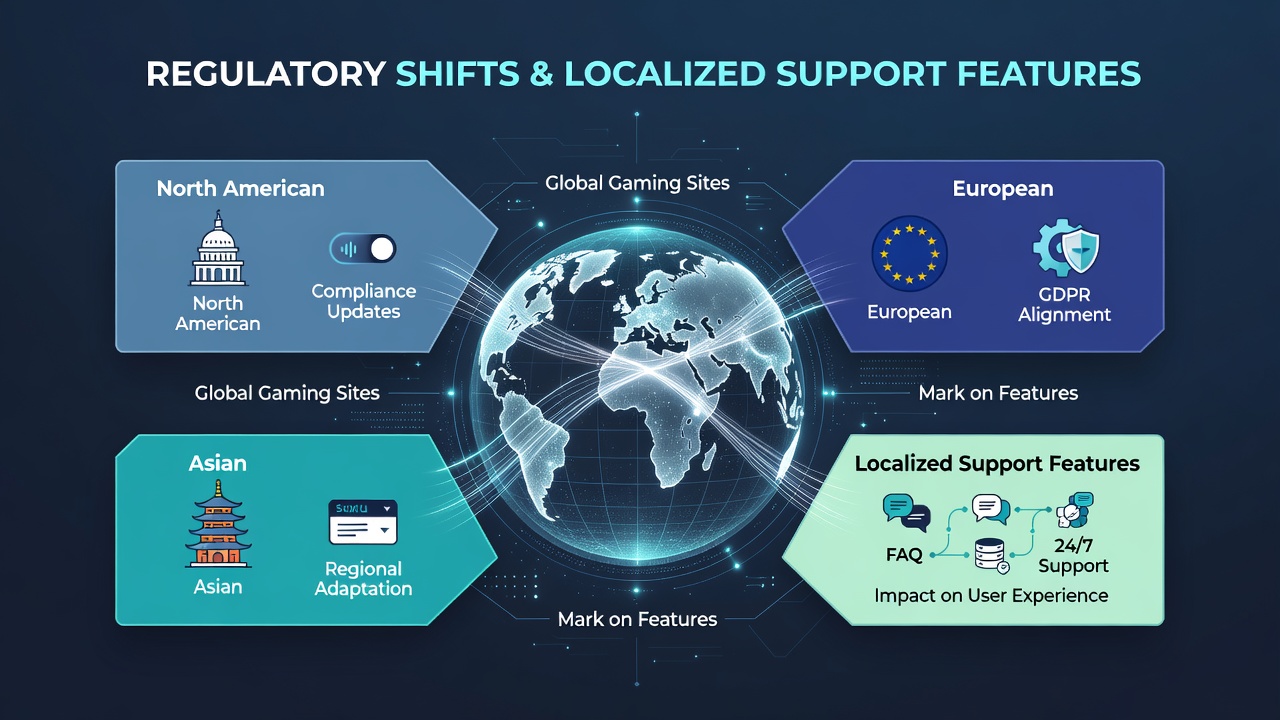
Regulatory changes have reshaped how gaming platforms deliver localized support features, and operators now adjust language options, payment integrations, and compliance tools to match new rules in key markets. Data from government agencies shows that jurisdictions across North America, Europe, and Asia Pacific introduced updates between 2024 and 2026 that directly affect customer service structures on international sites.
North American Adjustments and Regional Compliance Tools
State-level regulators in the United States have tightened requirements for player verification and support accessibility, which forces platforms to embed region-specific chat functions and document upload portals. Figures released by the Nevada Gaming Control Board indicate that operators expanded multilingual verification teams by 18 percent in the first half of 2026 to meet updated standards. Similar patterns appear in Canadian provinces where provincial oversight bodies require real-time assistance in both English and French, leading sites to integrate dedicated regional support queues rather than routing all queries through central hubs.
These shifts create layered workflows because each jurisdiction maintains distinct data privacy rules that dictate how support agents handle player records. Observers note that platforms now deploy separate compliance modules for different states or provinces, and this segmentation reduces response times when agents work within familiar regulatory frameworks.
European Market Updates and Language Mandates
Across the European Union, updates to consumer protection directives have prompted gaming operators to provide support in all official languages of countries where they hold licenses. Research from the European Gaming and Betting Association reveals that several major platforms added automated translation layers combined with human oversight teams in 2025, and these changes became mandatory in additional member states by mid-2026. Platforms must now maintain records showing that support interactions meet local accessibility standards, which has increased investment in specialized software that flags non-compliant responses.
One notable development involves the requirement for support staff to reference jurisdiction-specific responsible gaming resources during every interaction. Platforms that serve multiple EU countries therefore maintain separate knowledge bases, and agents switch between databases depending on the player's registered location. This structure emerged after regulators emphasized that generic global resources no longer satisfy local transparency rules.
Asia Pacific Developments and Cultural Adaptation Requirements
Regulatory bodies in Australia and Japan have introduced guidelines that tie licensing renewals to the quality of localized player assistance. Australian authorities published updated codes in early 2026 that require operators to offer support during extended hours aligned with local time zones and to include culturally appropriate terminology in all communications. Platforms responded by establishing dedicated teams for the Australian market instead of relying on shared global centers.
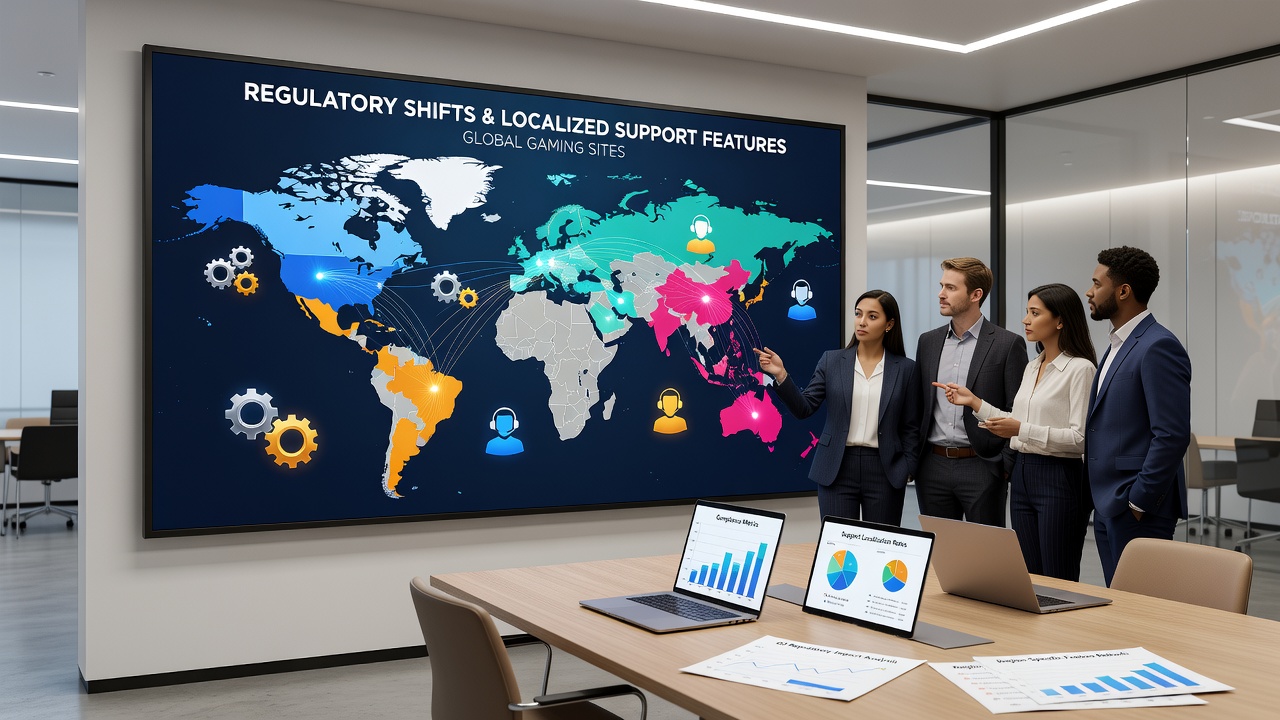
In Japan, new licensing conditions effective August 2026 mandate that support interfaces display information in Japanese as the primary language with clear explanations of local tax obligations. Industry reports from research institutions tracking Asian gaming markets show that operators increased Japanese-language staffing by 22 percent ahead of the deadline, and several platforms introduced region-locked support portals that prevent players from accessing non-compliant international versions.
Technology Integration and Operational Impacts
Many platforms now use AI-assisted routing systems that direct queries to agents trained on specific regulatory environments. These systems reference license databases in real time so that a player contacting support from Germany receives assistance calibrated to German rules while another from Ontario receives different guidance. Studies conducted by academic groups examining digital gaming infrastructure note that such routing reduces compliance errors and shortens average handling times across multi-jurisdictional operations.
Payment support features have also changed because regulators increasingly require verification of local banking methods and currency handling. Operators therefore embed jurisdiction-specific payment troubleshooting guides directly into chat interfaces, and support agents receive training on regional transaction rules to avoid directing players toward non-compliant options.
Conclusion
Regulatory evolution continues to drive fragmentation in support infrastructure across global gaming sites. Platforms that once maintained single centralized teams now operate distributed networks of specialized agents and region-tuned tools. Government data and industry analyses confirm that these adaptations align with jurisdiction-specific rules on language, accessibility, and player protection, and further adjustments are expected as additional markets finalize their frameworks in late 2026.