Support Documentation's Role in Shaping Cross-Border Digital Gambling Engagement
Otto Krause · Aug 21, 2026
Support Documentation's Role in Shaping Cross-Border Digital Gambling Engagement
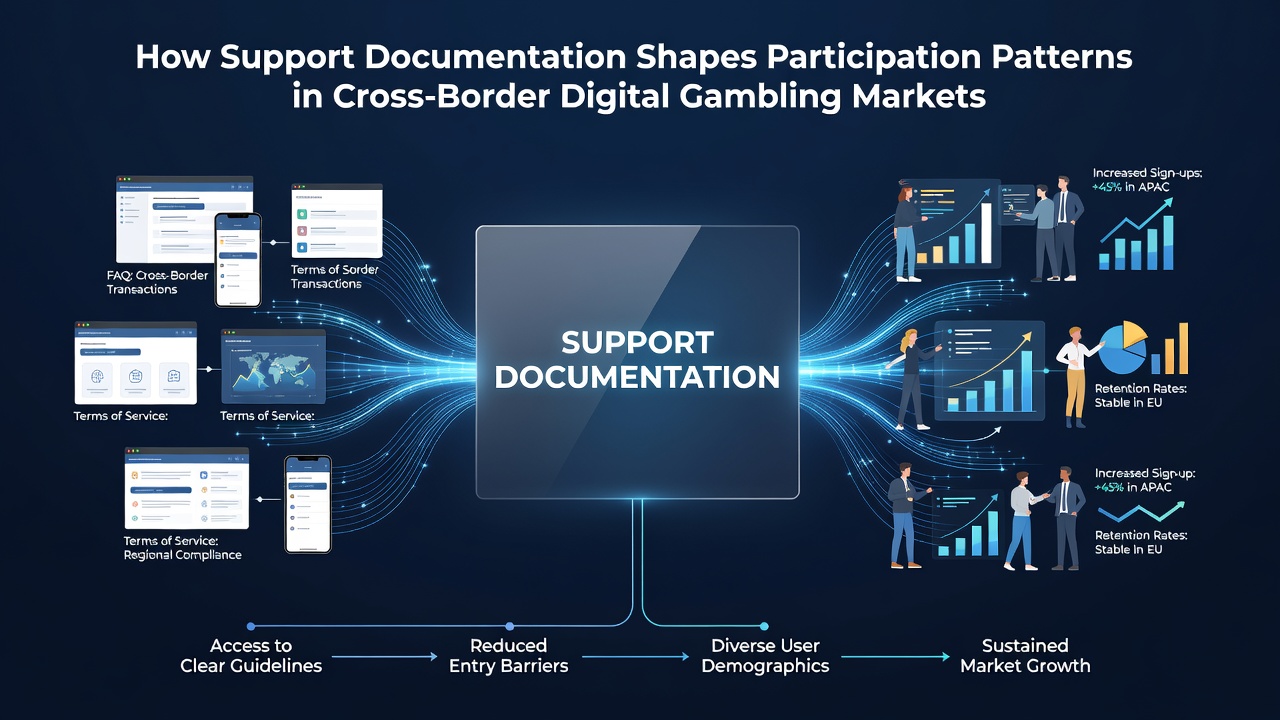
Support documentation in cross-border digital gambling markets encompasses terms of service, help centers, regulatory disclosures, and user guides that operators provide to participants from multiple jurisdictions, and these materials directly influence how users from different regions engage with platforms. Research indicates that clear documentation correlates with higher retention rates in markets where regulatory frameworks differ significantly, such as those spanning the European Union and North America. Data from industry reports show that participants often review these resources before depositing funds, particularly when navigating currency conversions, tax implications, and licensing requirements that vary by country.
Regulatory Differences and Documentation Requirements
Operators active in cross-border environments must align support materials with diverse legal standards, including those enforced by bodies like the Malta Gaming Authority in Europe and the Alcohol and Gaming Commission of Ontario in Canada, and this alignment affects participation patterns as users seek reassurance about compliance. Studies from academic institutions reveal that platforms providing jurisdiction-specific explanations in their documentation experience increased sign-up rates from international users, whereas generic materials lead to higher abandonment during the registration process. Observers note that in August 2026 market analyses, documentation addressing data protection under frameworks like the General Data Protection Regulation appeared in a greater share of user interactions from EU-based participants compared to those from less regulated regions.
Clarity in Documentation and User Trust Formation
Clear language in support documentation builds trust by explaining complex elements such as withdrawal procedures, bonus eligibility, and dispute resolution mechanisms, and researchers have linked this transparency to sustained participation across borders. For instance, one analysis of platform performance found that detailed FAQs covering regional payment methods reduced support ticket volumes by measurable percentages, allowing operators to redirect resources toward user acquisition. Those who've examined participation data observe that users from Australia and Asia-Pacific countries frequently cite accessible documentation as a deciding factor when selecting platforms licensed in multiple territories, since it addresses concerns around local currency handling and time zone differences in customer service availability.
Participation Patterns Across Regions
Participation patterns shift based on how well documentation addresses cultural and linguistic nuances, with multilingual resources showing stronger engagement in markets like Latin America and parts of Asia. Evidence suggests that platforms incorporating region-specific examples in their guides see improved conversion from initial visits to active play, particularly when covering topics such as responsible gaming tools mandated by different authorities. A report linked to National Council on Problem Gambling resources highlights how documentation on self-exclusion options influences long-term user behavior in North American cross-border contexts, while similar materials tailored for EU users emphasize cooling-off periods under varying national rules.
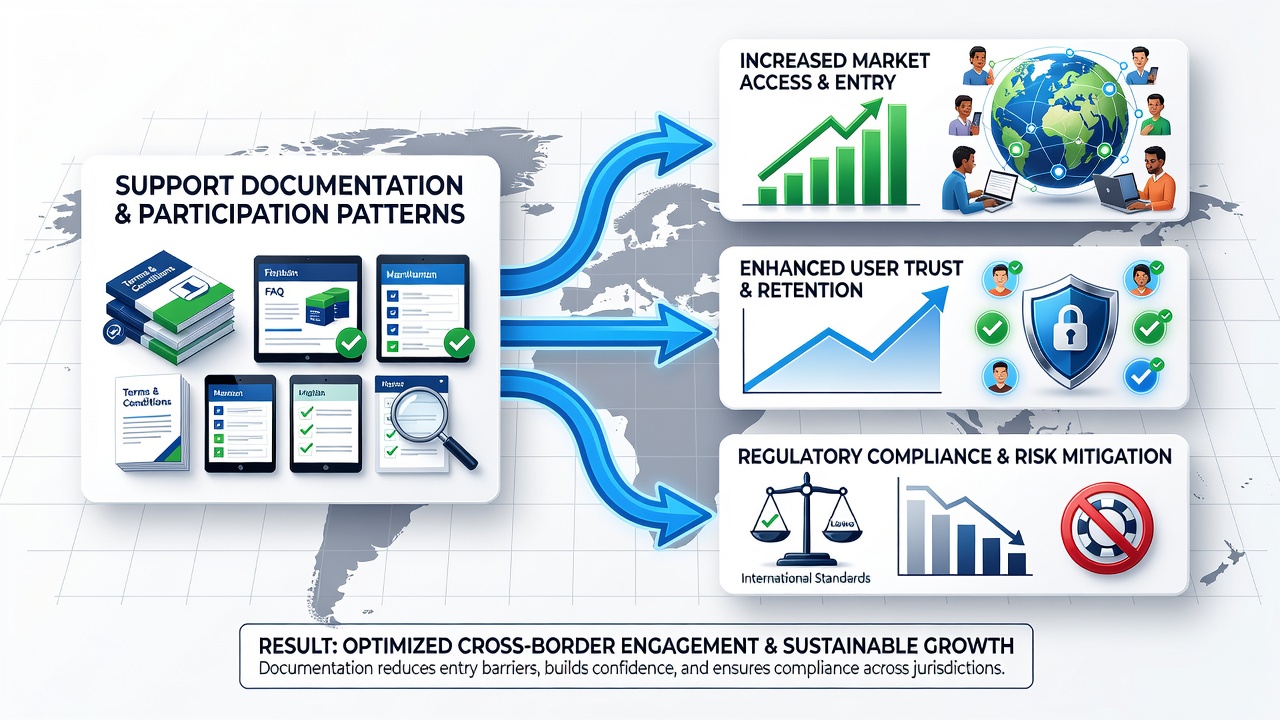
But here's the thing: incomplete or outdated documentation creates friction that discourages repeat participation, as users encounter unexpected barriers during account verification or fund transfers. Data shows that platforms updating their materials quarterly maintain steadier activity levels from international cohorts, especially around periods of regulatory change. Experts have observed that in cross-border scenarios, documentation serving as the primary point of contact for compliance information shapes initial trust and subsequent patterns of deposit frequency and session duration.
Case Examples from Industry Data
Take one study covering platforms operating between 2024 and 2026, where operators who expanded their support sections to include interactive guides on licensing verification reported measurable upticks in participation from users in previously underrepresented regions. Figures reveal that documentation incorporating visual aids and step-by-step processes for handling cross-border transactions correlates with lower churn rates, according to aggregated industry metrics. What's interesting is how these resources also guide users through age verification and identity checks that differ by jurisdiction, thereby streamlining entry for compliant participants while filtering others early in the process.
Future Trends in Documentation Practices
Emerging practices include the integration of AI-assisted chat within documentation portals to provide real-time clarifications on regulatory topics, and preliminary findings indicate this approach further refines participation patterns by reducing confusion for users crossing multiple regulatory zones. Research indicates that as markets evolve through 2026, documentation will increasingly incorporate localized examples drawn from specific national gaming authorities, such as those in Sweden or New Jersey, to better match user expectations. Observers note that these adaptations help sustain engagement by making complex information more digestible across linguistic and cultural divides.
Conclusion
Support documentation continues to serve as a foundational element that shapes how participants interact with cross-border digital gambling platforms, with evidence pointing to direct links between documentation quality and sustained engagement across regions. Regulatory bodies and industry analyses consistently demonstrate that accessible, accurate materials facilitate smoother user journeys while addressing the unique challenges posed by differing legal environments. Those monitoring these markets expect documentation practices to remain central to participation dynamics as platforms expand their international reach.