Tracing Player Journeys: How Support Networks and Regional Payout Data Shape Digital Casino Access Across Borders
Otto Krause · Aug 5, 2026
Tracing Player Journeys: How Support Networks and Regional Payout Data Shape Digital Casino Access Across Borders
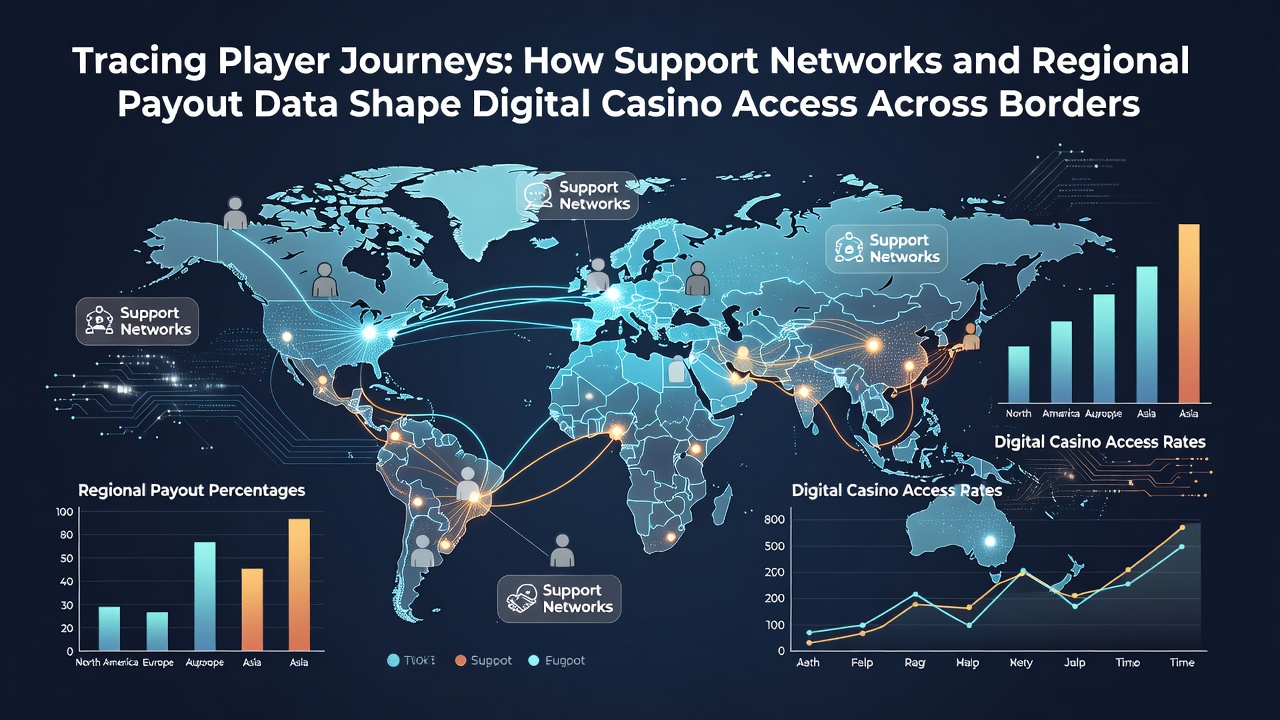
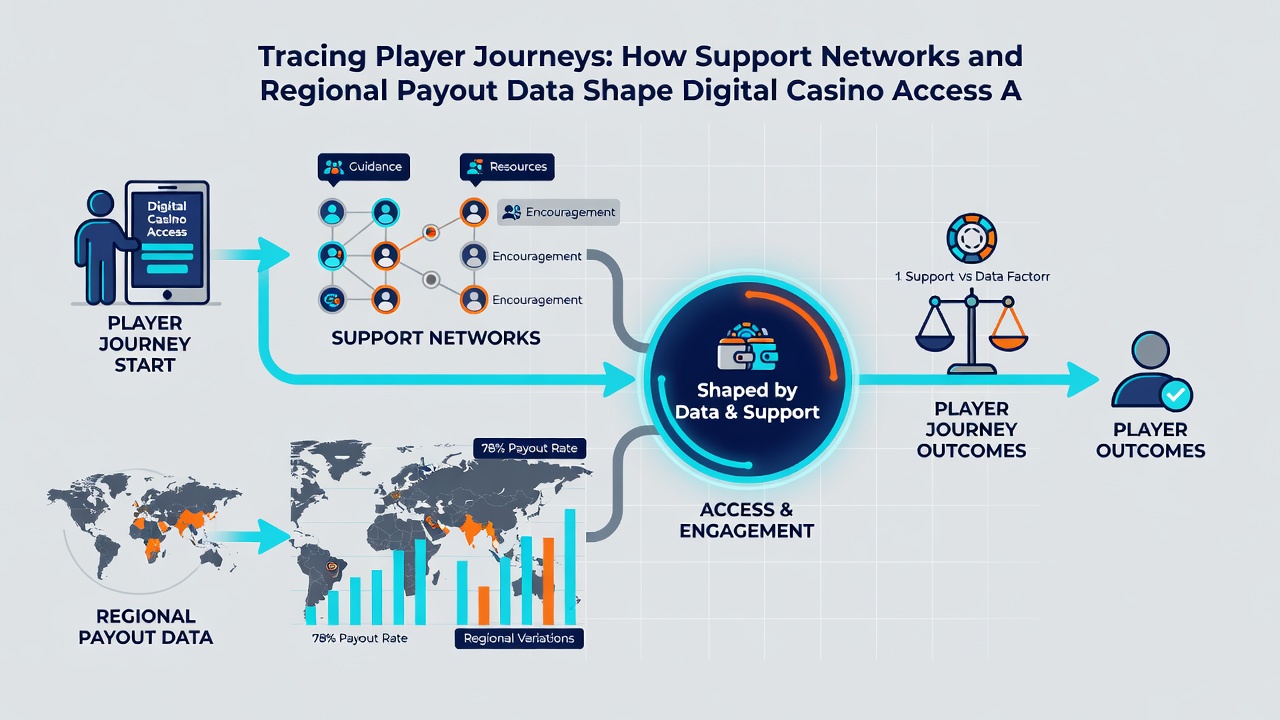
Player journeys in digital casinos often cross multiple borders, and regional payout data combined with support networks determines where access remains stable or shifts over time. Observers note that payout percentages published by regulators in different jurisdictions create clear patterns, and those patterns influence which platforms players select when moving between countries. Data collected through licensing reports shows consistent differences, for example between European markets and North American ones, while support systems such as multilingual helplines and community forums help users navigate the resulting variations.
Regional Payout Data as a Navigation Tool
Regulators publish return-to-player figures at regular intervals, adn those figures reveal how local rules affect overall returns. In August 2026 the Pennsylvania Gaming Control Board released quarterly statistics indicating average slot returns of 92.4 percent across licensed sites, whereas comparable Canadian provincial data from the Alcohol and Gaming Commission of Ontario showed figures closer to 94.1 percent for similar game categories. Players who monitor these releases often adjust their preferred platforms accordingly, and cross-border travelers use the information to decide whether to maintain accounts in one jurisdiction or open new ones elsewhere.
Payment speed also appears in the same datasets. Reports list average withdrawal processing times that range from 12 hours in some EU member states to 72 hours in parts of Asia-Pacific markets. When support networks distribute summaries of these statistics through email newsletters or dedicated apps, users gain a practical map of where funds move fastest, which in turn shapes their travel-related access decisions.
Support Networks and Their Role in Cross-Border Access
Support networks operate at several layers, from official responsible-gaming organizations to player-run forums that track payout reliability. These groups compile user-submitted withdrawal confirmations and match them against regulatory filings, producing updated guides that travelers consult before crossing into new regulatory zones. One documented case involved a network based in Malta that coordinated with Australian player associations to verify processing times after a policy change in New South Wales, allowing members to maintain uninterrupted access during the transition period.
Multilingual chat services and 24-hour helplines further reduce friction. When a player relocates from one licensing regime to another, these services provide jurisdiction-specific instructions on verification documents and banking partners. Researchers tracking forum activity have recorded spikes in queries about payout verification immediately after major regulatory updates, confirming that timely support correlates with continued platform use rather than account abandonment.
Payment Infrastructure and Data Transparency
Regional payout data extends beyond game returns to include banking channel performance. European operators licensed under the Malta Gaming Authority publish aggregated statistics on SEPA transfers and e-wallet speeds, while Ontario-licensed sites detail Interac and credit-card processing averages. Support networks aggregate these numbers into dashboards that highlight the most reliable corridors for international players. Travelers who rely on these dashboards report fewer interruptions when moving funds across borders, because they select channels already vetted by recent user data.
Transparency requirements also affect visibility. Jurisdictions that mandate monthly publication of payout audits make it easier for networks to flag anomalies quickly, whereas regions with quarterly or annual reporting create longer gaps where outdated information circulates. In practice, players combine official releases with real-time forum confirmations to maintain an accurate picture, and this hybrid approach has become standard for those managing accounts in multiple countries.
Case Examples from Recent Regulatory Shifts
After a licensing update in New Jersey in early 2026, support organizations circulated revised payout tables within 48 hours, enabling players to compare local figures against those available in neighboring states. Similar coordination occurred when Australian state regulators adjusted electronic gaming machine return caps; cross-border networks relayed the changes to international users who held accounts with operators licensed in both Australia and Europe. These rapid updates demonstrate how data and support structures interact to keep access pathways functional even during policy transitions.
Conclusion
Regional payout data and layered support networks together form the practical infrastructure that lets players maintain consistent access while moving across borders. Published statistics from bodies such as the Pennsylvania Gaming Control Board and the Alcohol and Gaming Commission of Ontario supply the factual baseline, and support organizations translate that baseline into actionable guidance. As reporting standards continue to evolve, the interplay between transparent numbers and responsive networks remains the mechanism that shapes which digital casino platforms remain reachable for international users.